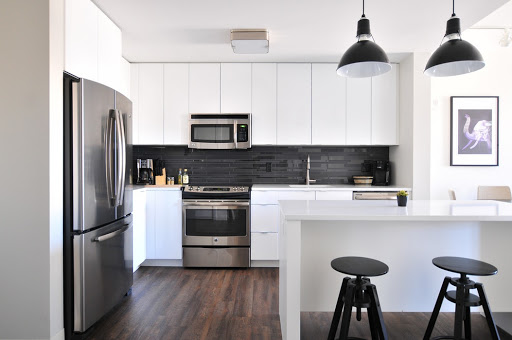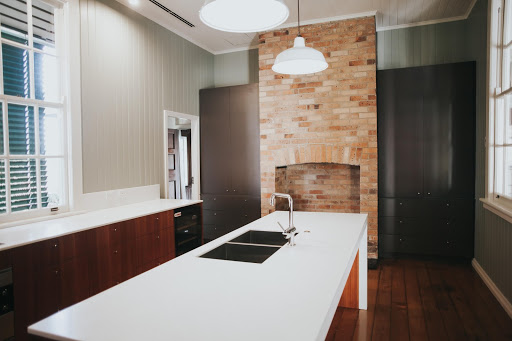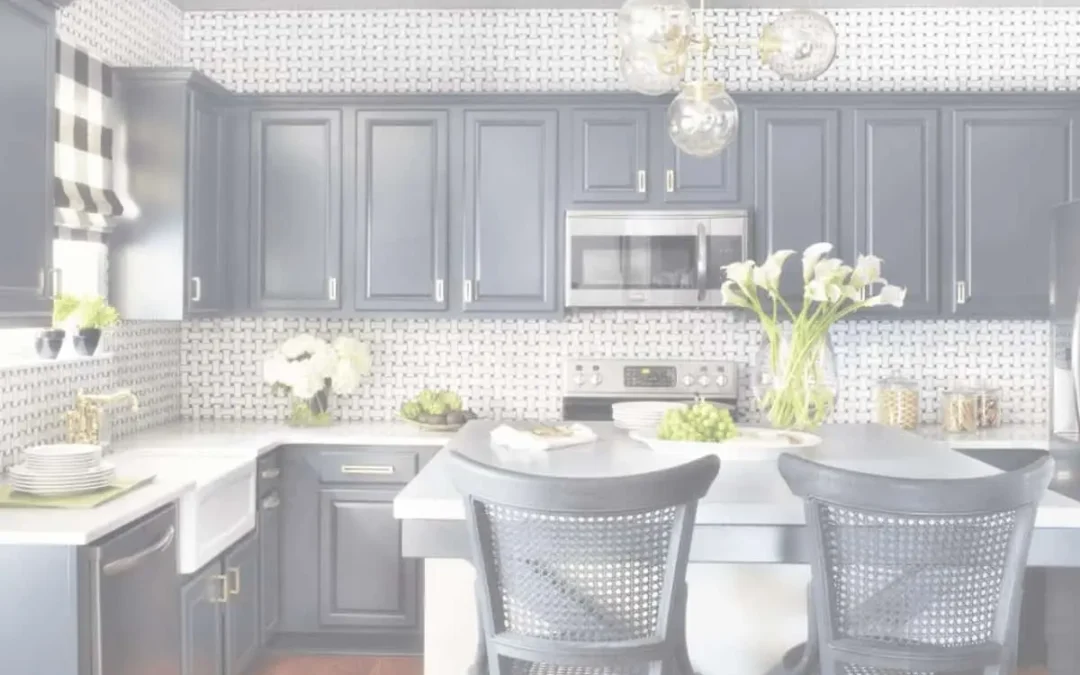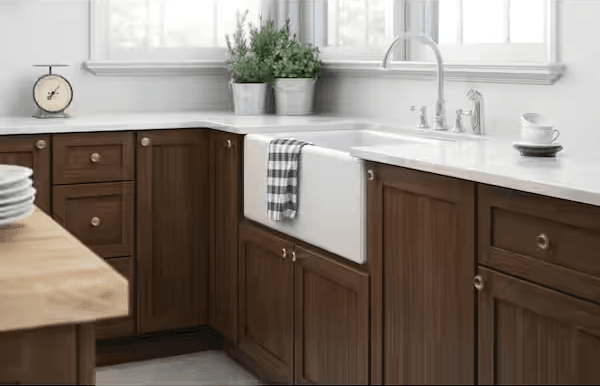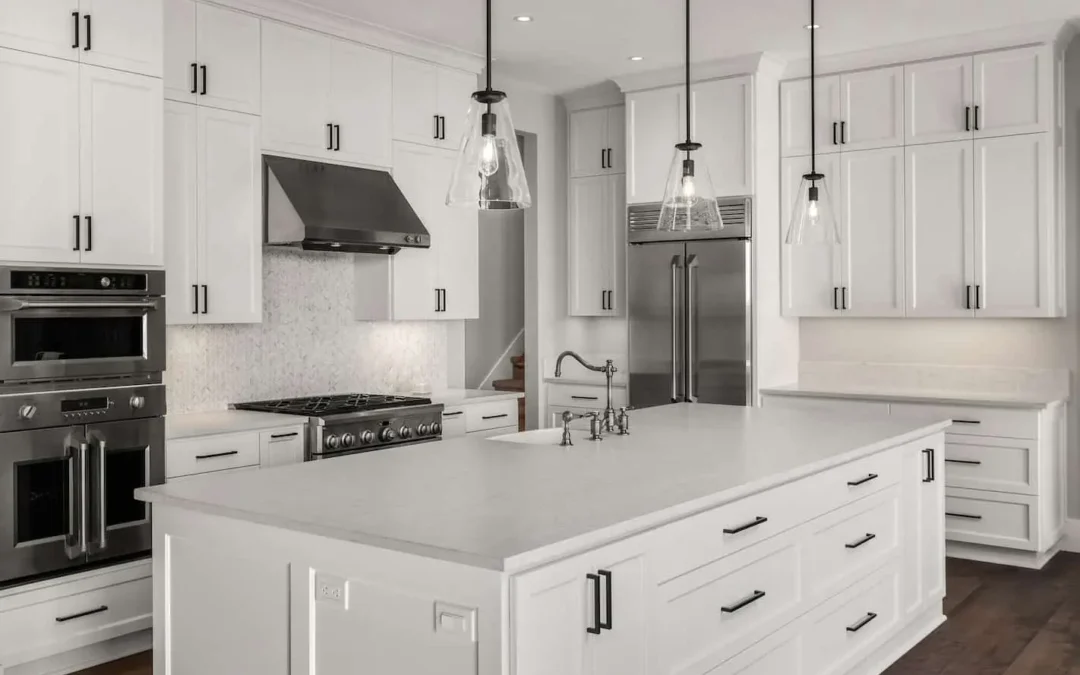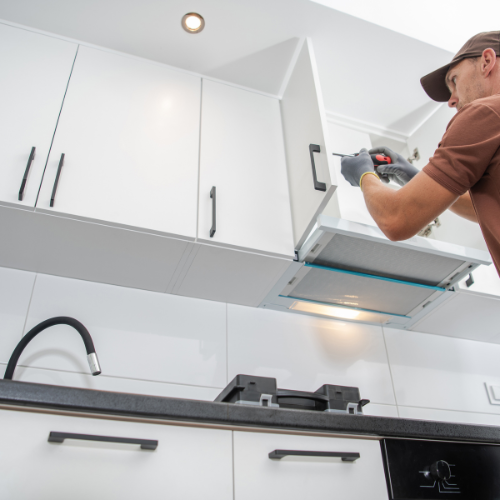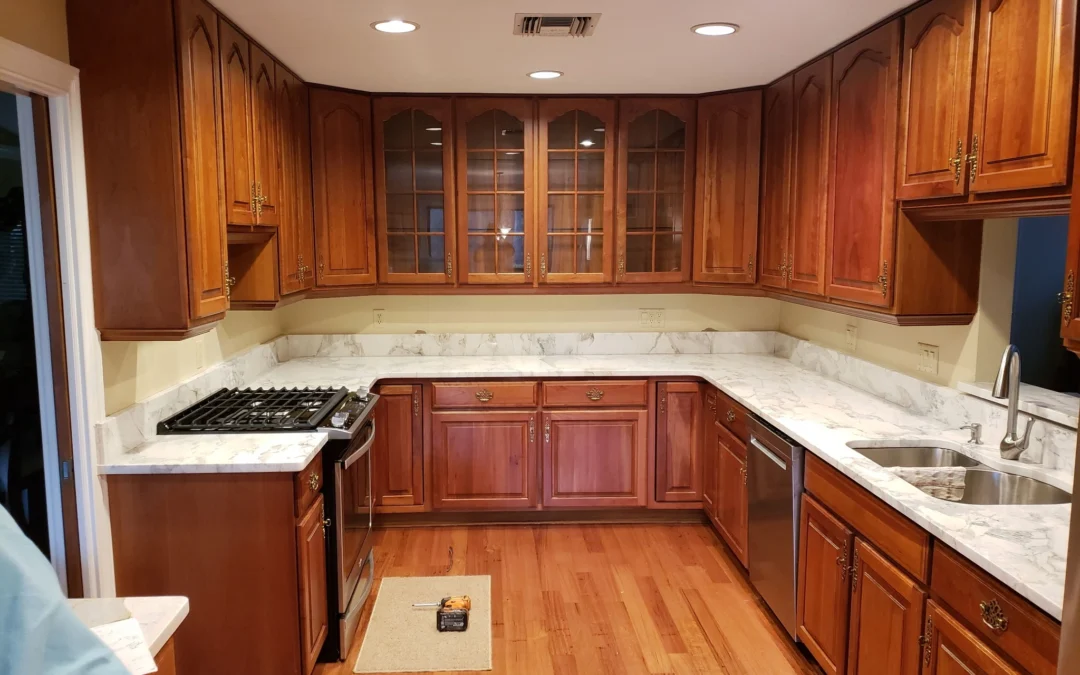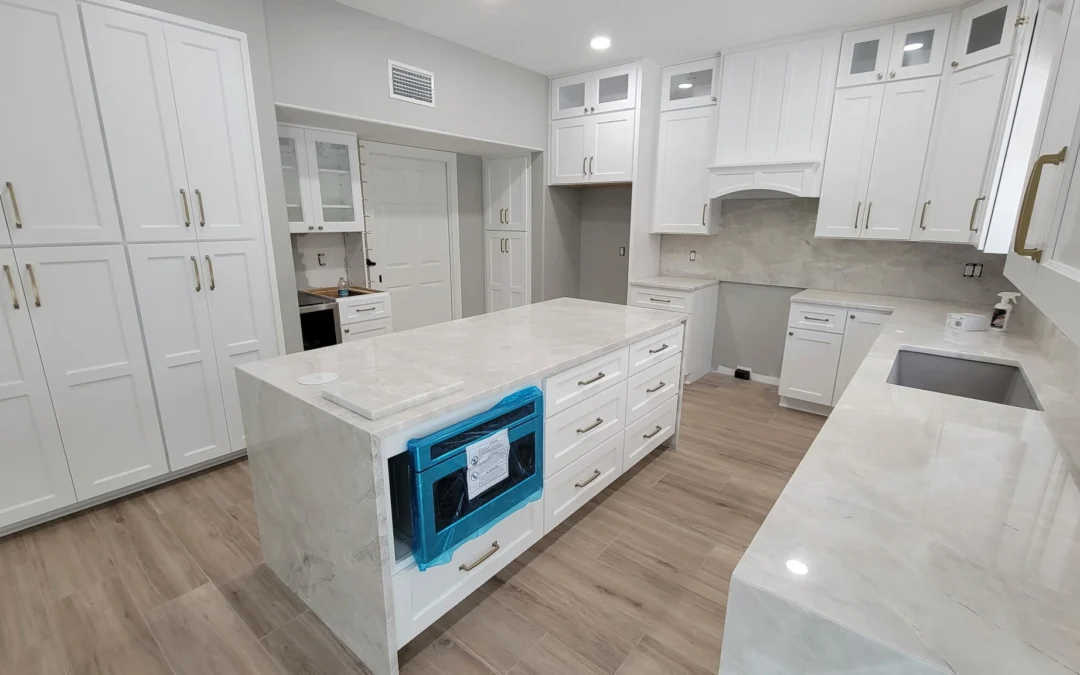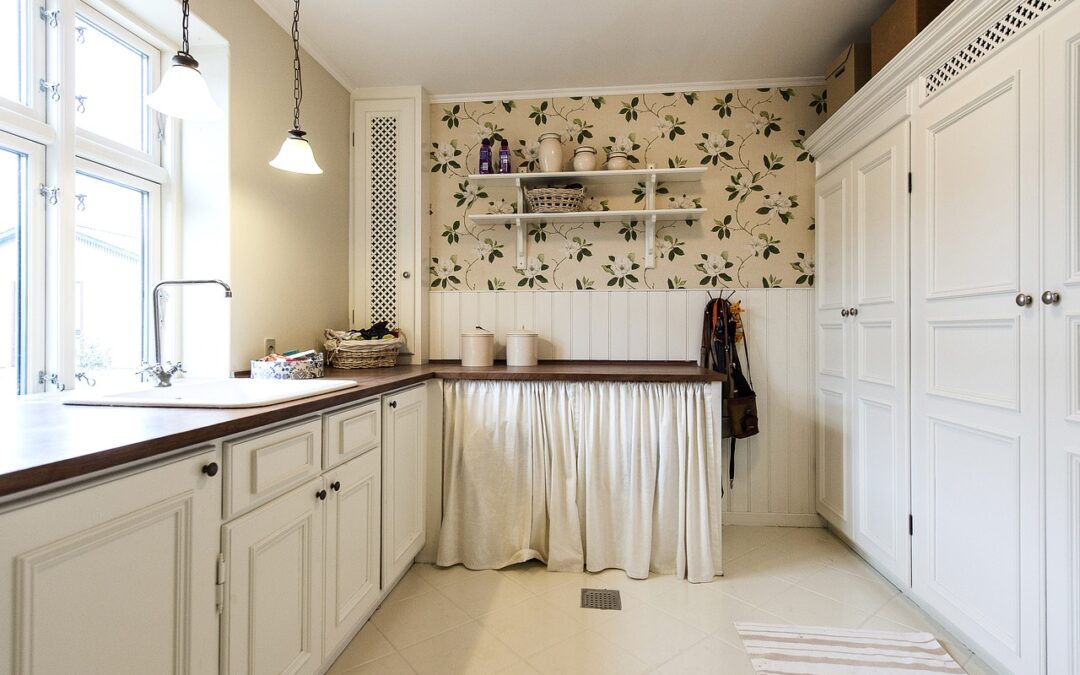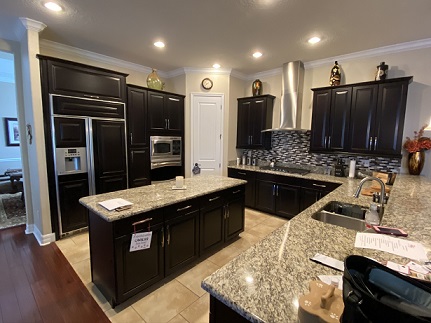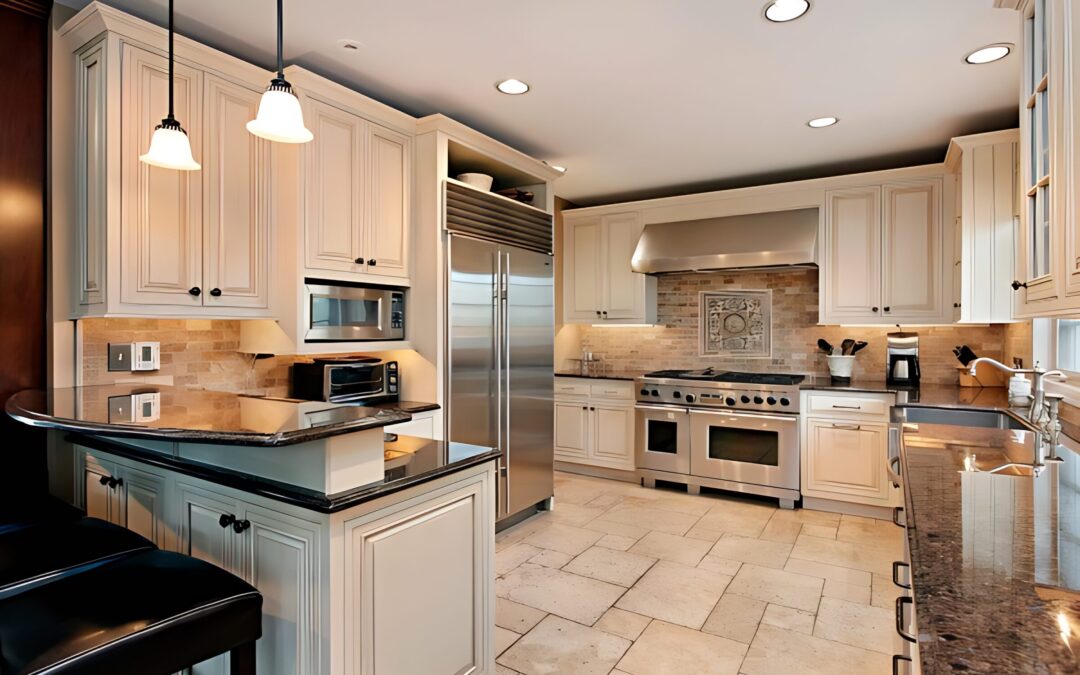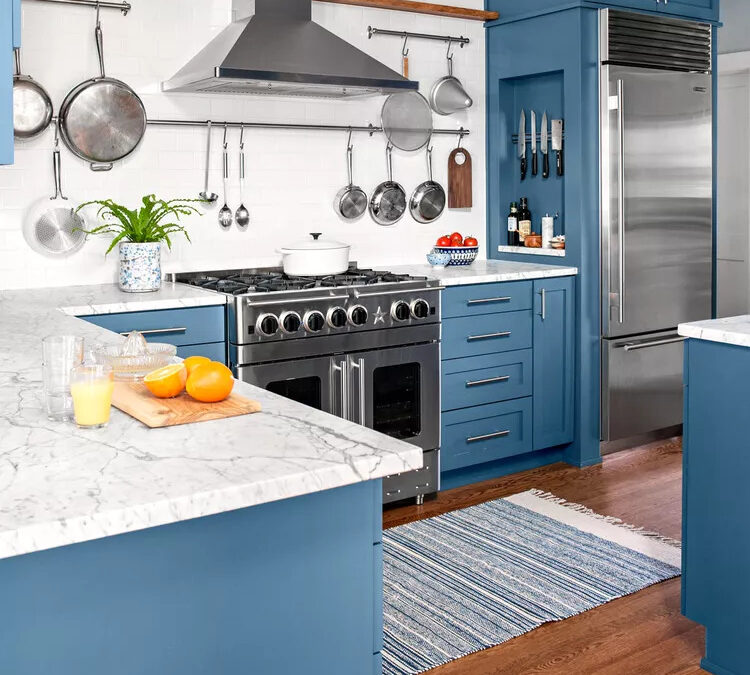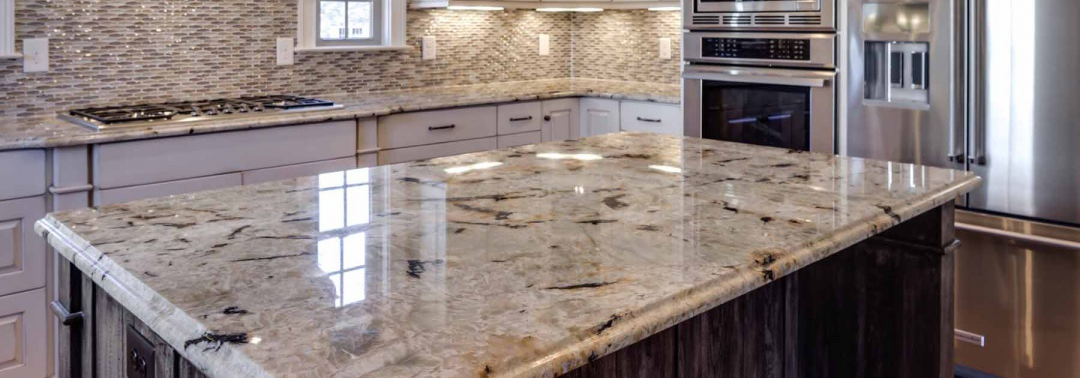
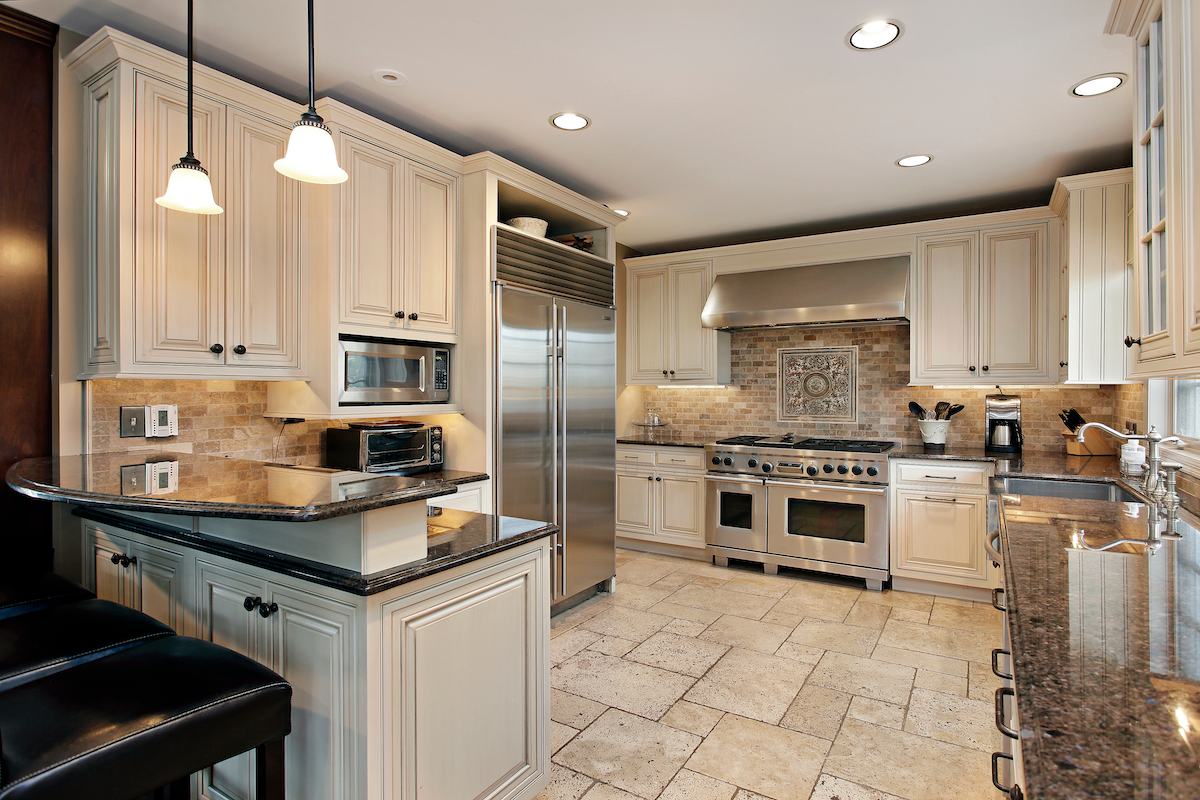
Thinking about a kitchen makeover? Installing new kitchen cabinets can completely transform your space, and it might be a project you can tackle yourself. While it seems daunting, cabinet installation is a manageable task for beginners with the right guidance and a bit of patience. This guide breaks down the process, from planning your kitchen layout to securing the final piece of hardware. With clear instructions, you can successfully give your kitchen a fresh, new look.
Understanding Kitchen Cabinet Installation Basics
Before you begin, it’s helpful to grasp the fundamental concepts of kitchen cabinet installation. The process involves securing cabinet boxes to your kitchen walls in a specific order, ensuring they are level, plumb, and firmly attached. It’s a project that requires precision but is based on straightforward principles.
You’ll be working with two main types of cabinets: upper cabinets, which hang on the wall, and base cabinets, which sit on the floor. Understanding how they fit together is key to a successful installation. Let’s explore what makes this project beginner-friendly and the steps involved.
What Makes Kitchen Cabinet Installation Beginner-Friendly
So, is it possible to install kitchen cabinets by yourself with no experience? Absolutely. One of the main reasons cabinet installation is approachable for novices is that it doesn’t require a workshop full of expensive, specialized equipment. With a set of standard tools, many of which you may already own, you can achieve a professional-looking result. Getting the right tools is the first step toward a successful project.
The process itself is logical and sequential. From removing the old cabinets to installing the new base cabinets, each step builds upon the last. Ready-to-assemble (RTA) kitchen cabinets, for example, come with clear instructions that simplify the assembly, making it feel like putting together furniture.
Plus, there are many techniques, like using a ledger board for support, that are designed to help you along the way. With careful planning, precise measurements, and a helper to lift the heavy items, you can confidently install your own kitchen cabinets and save money on your renovation.
Overview of the Steps Involved
Embarking on a kitchen cabinet installation project involves a series of manageable steps. When you break it down, the task becomes much less intimidating. The key is to follow the process in the correct order to ensure everything lines up perfectly.
First, you’ll prepare your kitchen by clearing the area and marking your walls with reference lines. This preparation phase is critical for accuracy. After that, the installation begins, typically with the upper cabinets so the base cabinets don’t get in your way.
Here’s a general rundown of the basic steps you’ll follow for a successful kitchen cabinet installation:
- Prepare the space by removing old cabinets and marking layout lines.
- Locate wall studs and install a temporary ledger board for support.
- Hang the upper cabinets, starting from a corner.
- Install the base cabinets, ensuring they are level and plumb.
Why Proper Preparation Matters
Proper preparation is the most critical phase of your cabinet installation project. Rushing this stage can lead to crooked cabinets, uneven gaps, and a host of other issues that are difficult to fix later. Taking the time to plan your kitchen layout and accurately measure your space will save you headaches down the line.
A well-thought-out kitchen design ensures that your wall cabinets and base units fit perfectly, leaving the right amount of space for appliances. This is also the time to decide if you should install wall cabinets or base cabinets first. Most professionals recommend installing the wall cabinets first, as it prevents you from having to lean over the base units, making the process safer and more comfortable.
Ultimately, careful preparation sets the foundation for the entire project. By inspecting your walls, finding high and low spots, and marking precise guidelines, you create a clear roadmap for a smooth and successful cabinet installation.
Essential Tools and Materials for Installing Kitchen Cabinets
Having the right tools and materials on hand before you start is essential for a successful kitchen cabinet installation. You don’t want to be scrambling for a specific drill bit or screw in the middle of holding up a cabinet. A well-organized toolkit will make the process much smoother and more efficient.
From a trusty tape measure and level to a stud finder and power drill, these items will be your best friends throughout the project. We’ll go over the must-have tools you’ll need, the recommended hardware for securing your cabinets, and the safety gear that will keep you protected.
Must-Have Tools for a Smooth Installation
To perform a successful cabinet installation, you’ll need the right tools. While you might not need a professional workshop, a few key items are non-negotiable for getting the job done correctly. Having these tools ready will ensure your project goes off without a hitch.
A stud finder is crucial for locating the framing inside your walls, which is necessary for a secure installation. You’ll also need a reliable tape measure for accurate measurements and a level to ensure your cabinets are perfectly straight. A cordless drill will be your workhorse for driving screws and drilling pilot holes with the correct drill bit.
Here’s a quick list of essential tools to gather:
- Cordless Drill and Driver
- Tape Measure and 5’ Level
- Stud Finder
- Clamps (C-clamps are recommended)
- Pry Bar and Hammer
Recommended Materials and Hardware
Alongside your tools, you’ll need the right materials and hardware to secure your cabinets. Using the correct screws is vital for a safe and durable installation. The type of screw you use will depend on whether you are attaching cabinets to the wall or to each other.
For mounting cabinets to wall studs, #10 x 3-inch cabinet mounting screws are the standard choice. These provide the strength needed to hold the weight. When connecting the face frames of two cabinets, you’ll use shorter screws, typically #8 x 2 ½-inch, to clamp them together tightly. You will also need wood shims to level cabinets against uneven walls and a 1×2-inch ledger board to temporarily support the upper cabinets during installation.
Safety Equipment and Tips
Safety should always be your top priority during any DIY project, and cabinet installation is no exception. Wearing the proper safety equipment can protect you from dust, debris, and potential injuries. This is especially important when using power tools or working with heavy objects.
Before you begin, make sure to shut off the electricity to the kitchen to avoid any accidents with hidden electric lines. It’s also a great idea to have a helper, especially when lifting and mounting the heavy upper cabinets. A second pair of hands makes the job safer and easier, ensuring a secure installation.
Follow these key safety tips:
- Always wear safety glasses to protect your eyes from dust and wood splinters.
- Use gloves to protect your hands when handling tools and materials.
- Be mindful of electrical and plumbing lines in the walls before drilling.
Preparing Your Kitchen for Cabinet Installation
With your tools gathered, it’s time to prepare your kitchen space. This crucial step involves more than just clearing out the old cabinets; it’s about creating a perfect canvas for your new kitchen design. Proper preparation ensures that your cabinets will fit flawlessly and look professionally installed.
This phase includes everything from detailed measuring of your kitchen layout to inspecting your walls and floors for levelness. Accurately marking your cabinet height and reference lines will guide you through the entire installation process. Let’s get into the specifics of how to prep your space correctly.
Measuring and Planning Your Kitchen Layout
Accurate measurements are the foundation of a successful kitchen layout. Before you do anything else, use a tape measure to map out your kitchen. Measure the walls where cabinets will be installed, noting the locations of windows, doors, and appliances. These details are critical for your kitchen design.
When planning, consider the standard cabinet height. Base cabinets are typically 34.5 inches tall, and there’s usually an 18-inch space between the countertop and the bottom of the upper cabinets. This measurement ensures enough workspace and a standard backsplash height.
Here are a few tips for accurate measuring:
- Measure everything twice to avoid costly mistakes.
- Draw a simple floor plan of your kitchen layout, marking all dimensions in inches.
- Account for the face frames, which extend past the cabinet box and will affect alignment.
Inspecting Walls, Floors, and Ceiling for Levelness
Few homes have perfectly straight walls or level floors. Over time, houses settle, creating subtle slopes and bumps. Identifying these imperfections is key to ensuring your cabinets are installed correctly. Use a long level to check the walls, floors, and ceiling for levelness.
Start by finding the highest spot on the floor along the wall where your base cabinets will go. This high spot will be your starting reference point for the entire installation. It’s much easier to use shims to raise cabinets to match a high point than to trim a cabinet down.
Here’s how to check for levelness:
- Place a long level on the floor to find the high spot. Mark this point on the wall.
- Hold the level vertically against the walls to check if they are plumb (perfectly vertical).
- Use the level horizontally to find any bumps or bows in the walls.
Marking Reference Lines for Accurate Placement
Once you’ve identified the high point of your floor, you can begin marking the reference lines that will guide your kitchen cabinet installation. These lines act as a blueprint on your walls, ensuring every cabinet is placed accurately. A clear, level horizontal line is your best tool for a perfect finish.
Start by measuring up from the floor’s high spot to the height of your base cabinets (typically 34.5 inches) and draw a level line across the wall. Then, measure up from that line to mark the bottom of your upper cabinets (usually 19.5 inches higher to account for the countertop). Finally, use a stud finder to locate and mark the studs.
Follow these steps to mark your walls:
- Draw a level horizontal line for the top of your base cabinets.
- Draw another level line for the bottom of your upper cabinets.
- Mark the center of each wall stud with a vertical line, extending it up the wall.
Step-by-Step Guide to Kitchen Cabinet Installation
Now that your kitchen is prepped and your tools are ready, it’s time to begin the cabinet installation. This section provides a detailed, step-by-step guide to walk you through the process, from removing your old units to making the final adjustments on your new ones.
We will cover each phase, including mounting the upper cabinets and setting the base cabinets, to ensure a smooth and successful project. By following these steps in order, you can confidently transform your kitchen with beautiful new cabinets.
Step 1: Removing Old Cabinets and Cleaning the Space
The first hands-on step is to create a blank canvas for your new kitchen cabinets. This begins with carefully removing the old cabinets. Start by emptying them completely. Then, it’s a good idea to remove cabinet doors and drawers first to make the main boxes lighter and easier to handle.
Once the doors are off, disconnect any plumbing or electrical lines connected to the sink or appliances. Use a pry bar to gently detach the old cabinets from the wall, being careful not to cause unnecessary damage. After the cabinets are out, clean the walls and floor thoroughly to remove any dust or debris.
Here’s a quick checklist for this step:
- Shut off water and electricity before disconnecting any lines.
- Remove doors and drawers to lighten the cabinet boxes.
- Carefully pry the cabinets away from the wall and remove any remaining screws or nails.
Step 2: Locating Wall Studs and Setting the Ledger Board
With a clean and prepped space, your next task is to find the wall studs. This is a critical step because your cabinets must be screwed into these solid wood supports for a secure installation. Use a stud finder to locate the center of each stud in the installation area.
Once you find the stud locations, mark them with a pencil, drawing a vertical line up the wall. To make hanging the heavy upper cabinets easier and safer, you’ll install a temporary ledger board. This is a straight piece of 1×2 or 2×4 lumber screwed horizontally into the wall studs, aligned perfectly with the reference line you drew for the bottom of your upper cabinets.
Here’s how to get it done:
- Use a stud finder to locate and mark all wall studs.
- Draw a level line where the bottom of your upper cabinets will be.
- Screw the ledger board securely into the studs along this line for temporary support.
Step 3: Installing Upper Wall Cabinets
Now it’s time to hang the upper cabinets. As mentioned, it’s best to install wall cabinets first so you don’t have to lean over the base units. Always begin with a corner cabinet, as it will anchor the rest of the installation.
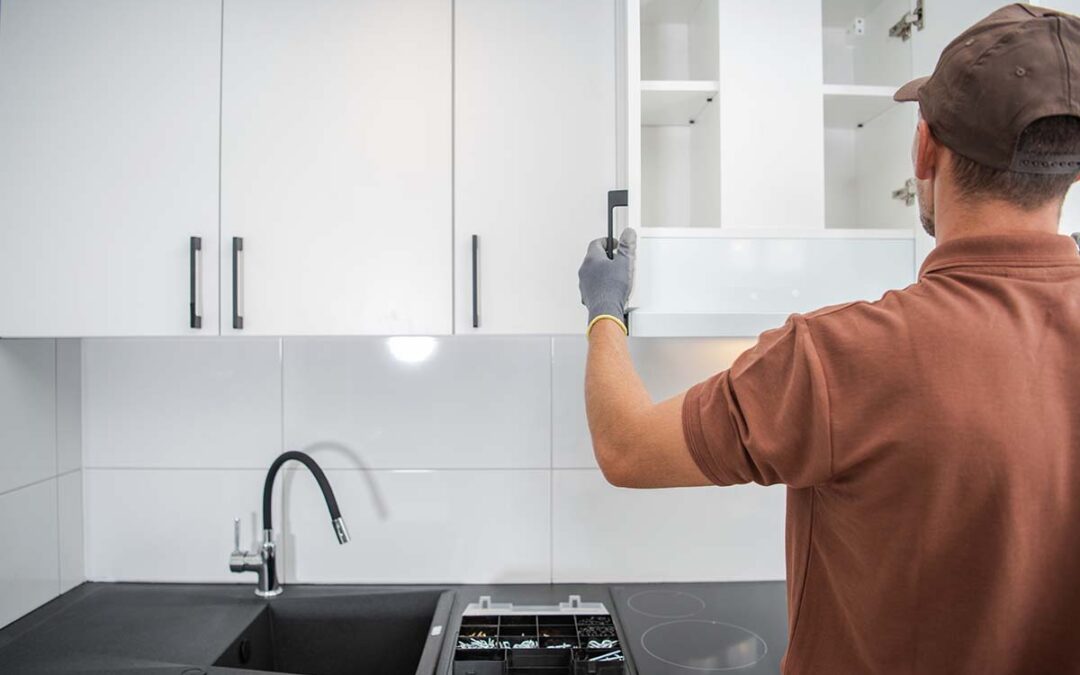
With a helper, lift the first cabinet onto the ledger board and press it against the wall. Use a level to ensure the cabinet is plumb and level. If needed, use shims between the cabinet and the wall to make adjustments. Secure the cabinet to the wall studs using 3-inch mounting screws, but don’t tighten them completely yet. Use clamps to attach the next cabinet, ensuring the face frames are perfectly flush before screwing them together.
Key points for installing upper cabinets:
- Start with the corner cabinet and work your way outward.
- Use a ledger board to support the weight of the cabinets during installation.
- Clamp adjacent cabinets together before screwing their face frames to each other.
Step 4: Installing Base Cabinets and Ensuring Levelness
After your upper cabinets are securely in place, it’s time to install the base cabinets. The process is similar, starting again with the corner unit. Position the first base cabinet, checking that it’s level and plumb. Your floor is likely uneven, so this is where shims are essential.
Place your level on top of the cabinet and insert shims underneath the lower cabinets as needed to bring them up to the reference line you marked earlier. Check for levelness from front to back and side to side. Once the first cabinet is perfectly positioned, secure it to the wall studs.
Follow these tips for installing base cabinets:
- Start with the corner cabinet and use it as the anchor for the rest.
- Use shims to level the base cabinets, starting from the floor’s high point.
- Clamp adjacent cabinets together and screw the face frames to ensure they are flush and aligned.
Step 5: Securing Cabinets, Adding Hardware, and Final Adjustments
With all the cabinet boxes in place, you’re on the home stretch. Now is the time to go back and tighten all the mounting screws for a truly secure installation. Check one last time that everything is level and plumb before fully tightening. Re-install the cabinet doors and drawers, adjusting the hinges as needed to ensure they are aligned and open smoothly.
If you have any gaps between the cabinets and the wall, install a filler strip for a seamless, built-in look. Finally, it’s time for the finishing touch: the hardware. Carefully measure and drill holes for your handles and pulls.
Here are the final steps:
- Tighten all mounting screws in the upper and base cabinets.
- Re-attach all cabinet doors and drawers, adjusting the hinges for perfect alignment.
- Install filler strips, molding, and cabinet hardware to complete the look.
Common Mistakes to Avoid During Cabinet Installation
Even with the best instructions, it’s easy to make a few mistakes during a DIY kitchen cabinet installation. Being aware of the common pitfalls can help you avoid them, ensuring a professional-looking result. Simple errors in leveling or hardware selection can compromise the final appearance and function of your new kitchen.
From uneven gaps between doors to cabinets that aren’t perfectly aligned, these issues can be frustrating. We’ll discuss some of the most frequent mistakes, like problems with alignment, choosing the wrong screws, and leaving unsightly gaps, so you know what to watch out for.
Issues with Leveling and Alignment
One of the most common and noticeable mistakes in cabinet installation is improper leveling and alignment. If your cabinets aren’t perfectly level and plumb, it will affect everything from the cabinet fronts to the countertop installation. Doors may not close correctly, and you’ll see uneven lines that detract from the overall look.
This issue often stems from not taking the time to find the high point on the floor or failing to use shims correctly. A level is your best friend during this process. You should be checking for level constantly—after placing each cabinet, after clamping them together, and before tightening the final screws.
Ensuring each cabinet is plumb is just as important. If a cabinet leans forward or backward, the doors won’t hang straight. Taking your time with leveling and alignment is not just a suggestion; it’s a requirement for a job well done.
Selecting the Right Screws and Fasteners
Choosing the wrong fasteners is a mistake that can compromise the safety and durability of your installation. Using screws that are too short or not strong enough can lead to cabinets pulling away from the wall over time, which is a significant safety hazard. You must use proper cabinet mounting screws to attach cabinets to the wall studs.
Another common error is failing to pre-drill pilot holes. Skipping this step can cause the wood to split, especially on the face frames when you’re connecting cabinets. Pilot holes ensure the screw goes in straight and clean without damaging the cabinet material.
In situations where a wall stud isn’t available, don’t just screw into the drywall. This won’t hold the weight of a cabinet. Instead, use appropriate fasteners like toggle bolts, which are designed to anchor securely in hollow walls. Using the right hardware for the right job is crucial.
Avoiding Gaps and Uneven Spacing
Achieving a seamless, built-in look is the goal of any cabinet installation, but unsightly gaps can ruin the effect. Gaps often appear between the last cabinet and a wall, or where cabinets meet an uneven wall surface. The solution for this is to use a filler strip.
Many beginners try to push the cabinet backs flush against the wall, but walls are rarely perfectly flat. This can cause the cabinet to sit crooked. Instead, focus on keeping the front of the cabinets aligned and use shims to fill any space at the back. When you attach the next cabinet, clamp the face frames tightly together to prevent any gaps between them.
For larger gaps at the end of a run, a scribe or filler strip is the professional way to go. You can cut the filler strip to match the contour of the wall, creating a custom fit that looks clean and intentional.
How JMT cabinets do Kitchen Cabinet Installation?
At JMT, we understand that a successful kitchen cabinet installation starts with a quality product and clear guidance. Whether you choose our pre-assembled or ready-to-assemble (RTA) cabinets, we provide everything you need for a smooth process. Our RTA cabinets are designed for straightforward assembly, with step-by-step videos available to guide you. The first cabinet might take 30-40 minutes, but you’ll quickly get the hang of it, with subsequent assemblies taking only 15-20 minutes.
We understand that many homeowners prefer to leave installation to experienced professionals, which is why we provide expert cabinet installation services handled by our licensed, bonded, and insured team. Our skilled installers are highly experienced and ensure your kitchen cabinets are installed correctly, securely, and efficiently from start to finish. With careful measurements, precise craftsmanship, and attention to detail, we make the entire process smooth and stress free while helping you achieve the dream kitchen you envision.
Conclusion
In conclusion, installing kitchen cabinets can be a rewarding project that transforms your space and enhances your home. By following the step-by-step guide outlined in this blog, even beginners can successfully navigate the process with confidence. Remember to prepare adequately, gather the necessary tools, and take your time to avoid common pitfalls. Whether you’re looking to refresh your kitchen or undertake a new DIY project, the satisfaction of seeing your newly installed cabinets will make all the effort worthwhile. If you’re unsure about any aspect of the installation process or need further assistance, don’t hesitate to reach out for help. Happy renovating!
Frequently Asked Questions
Is it possible to install kitchen cabinets by myself with no experience?
Yes, it is entirely possible. With clear instructions, like those provided for RTA cabinets, and the right tools, a beginner can successfully complete a cabinet installation. While you can do much of it alone, having a helper to lift and position the heavy upper kitchen cabinets is highly recommended for safety.
Should I install wall cabinets or base cabinets first?
You should always install the wall cabinets first. This approach prevents you from having to lean over the base cabinets while lifting heavy units and driving in mounting screws. It’s a safer and more comfortable method, especially when you have a helper assisting with the upper kitchen cabinets.
How long does it take to install new kitchen cabinets?
The time it takes to install new kitchen cabinets varies depending on the size and layout of your kitchen, your experience level, and whether the cabinets are pre-assembled. For a DIYer, a standard-sized kitchen cabinet installation can take a full weekend, while a professional installer might complete it in a day.
What safety tips should I follow during kitchen cabinet installation?
Always wear safety equipment, including glasses and gloves. Before you drill, shut off the power to avoid hitting live electric lines. Use the correct drill bit to prevent wood from splitting, and have a helper assist with lifting heavy kitchen cabinets to avoid injury during the cabinet installation process.