Welcome to the world of kitchen cabinets! If you’re starting a kitchen renovation, you know that the right kitchen cabinet can completely transform your space. They aren’t just for storage; they define the look and feel of your kitchen design. With so many cabinet types available, from different styles to materials, it can be tricky to know where to begin. This guide will walk you through the various options, helping you make a confident and informed decision for your home.
Introduction to Cabinet Types for Beginners
Getting to know the different types of kitchen cabinets is the first step in any successful kitchen project. Cabinets are categorized by their construction, style, and level of customization. You’ll encounter terms like stock, semi-custom, and custom cabinetry, which refer to how they are made and sold.
Each cabinet style also offers a unique look, from traditional to modern. Understanding these basics will help you navigate your choices and find the perfect kitchen cabinet that fits both your functional needs and personal taste. Let’s explore why this knowledge is so important.
Why Understanding Cabinet Types Matters
Why does it matter to know the different types of cabinetry? Choosing cabinets is one of the biggest decisions in a kitchen remodeling project. Your choice impacts not just the visual appeal of your space, but also its functionality and your overall budget. The main types of cabinets used in kitchens are stock, semi-custom, and custom, each offering different levels of flexibility and cost.
Understanding the various kitchen cabinet types helps you align your aesthetic vision with your practical requirements. Do you need a lot of drawers for pots and pans, or do you prefer open shelving for display? Knowing your options allows you to meet your specific storage needs effectively.
Ultimately, the right cabinet style can tie your entire kitchen together. Whether you are aiming for a rustic farmhouse look or a sleek, modern vibe, the cabinets you select will set the tone. Being informed ensures you invest in cabinets that you will love for years to come.
Common Uses of Cabinets in the Home
Cabinets are the backbone of home storage, especially in the kitchen. The primary use of a kitchen cabinet is to provide organized storage solutions for everything from food and dishes to pots and cleaning supplies. Different cabinet types are designed for specific purposes to maximize efficiency and easy access.
For instance, base cabinets are perfect for heavy items like appliances and cookware, providing a sturdy foundation. Wall cabinets are great for storing lighter items like glasses and plates, keeping them within reach but out of the way. Tall pantry cabinets offer ample space for dry goods, helping to keep your kitchen tidy.
The benefits of each major type of cabinet for kitchen storage are clear when you match them to your needs. A smart combination of cabinet types and the right cabinet style ensures that every item has its place, making your kitchen more functional and enjoyable to use.
Main Categories of Cabinets
When planning your kitchen, it’s helpful to know the basic categories of cabinets. The three main types of kitchen cabinets are base cabinets, wall cabinets, and tall cabinets. Each serves a distinct function and occupies a different space within the kitchen layout.
Understanding how these categories work together is key to creating a cohesive and functional design. Base cabinets form the foundation, wall cabinets provide upper storage, and tall cabinets offer extensive vertical space. Let’s look at each of these in more detail.
Base Cabinets
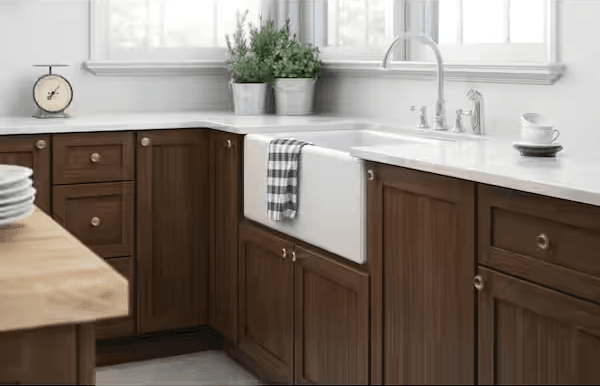
Base cabinets are the workhorses of the kitchen. They sit on the floor and support your countertops, creating the primary workspace. Standard base cabinets are typically 24 inches deep and 34.5 inches tall, providing significant storage space for heavy pots, pans, and small appliances.
These cabinets are different from wall and pantry cabinets because they form the foundation of your kitchen layout. They anchor the room and often house features like sinks and cooktops. The cabinet frame is built to be sturdy enough to handle the weight of countertops and daily use.
The cabinet style you choose for your base cabinets will have a major impact on your kitchen’s overall look. Whether you opt for doors, drawers, or a combination, they offer a vast amount of versatile storage.
Wall Cabinets
Wall cabinets, often called upper cabinets, are mounted on the wall above your base cabinets. Their primary purpose is to provide easy access to everyday items like dishes, glasses, and food. Unlike base cabinets that support countertops, wall cabinets utilize vertical space for lighter storage.
They are typically 12 to 24 inches deep, which is shallower than base cabinets, preventing you from bumping your head while working at the counter. The cabinet doors on wall units are a prominent design feature, and the style of the front cabinet doors greatly influences your kitchen’s aesthetic.
Wall cabinets differ from pantry cabinets in height and purpose. While pantries are for bulk storage, wall cabinets are for frequently used items, ensuring they are always within reach. This makes them essential for a functional kitchen workflow.
Tall and Pantry Cabinets
Tall cabinets, also known as pantry cabinets or utility cabinets, offer the most storage space in a single unit. These cabinets can be 84 to 96 inches tall, extending from the floor to near the ceiling. They are perfect for maximizing storage in kitchens without a separate pantry room.
Unlike base or wall cabinets, tall cabinets are designed for bulk storage. They are ideal for housing pantry items, cleaning supplies, or even small appliances to keep countertops clear. Some are designed to house built-in ovens and microwaves.
Their sheer size and capacity set them apart. While wall cabinets offer accessible storage for daily items and base cabinets hold heavy cookware, tall and pantry cabinets serve as the ultimate storage solution for everything else, keeping your kitchen organized and clutter-free.
Styles of Cabinets Explained
Now that you know the basic categories, let’s talk about style. The cabinet style you choose sets the entire mood of your kitchen. The design of the cabinet doors is the most visible element, with various door styles available to suit any taste, from traditional to contemporary.
Whether you’re aiming for a classic feel or a sleek look for modern kitchens, there is a cabinet style for you. Below, we’ll explore some of the most popular options to help you find the perfect match for your home.
Shaker Cabinets
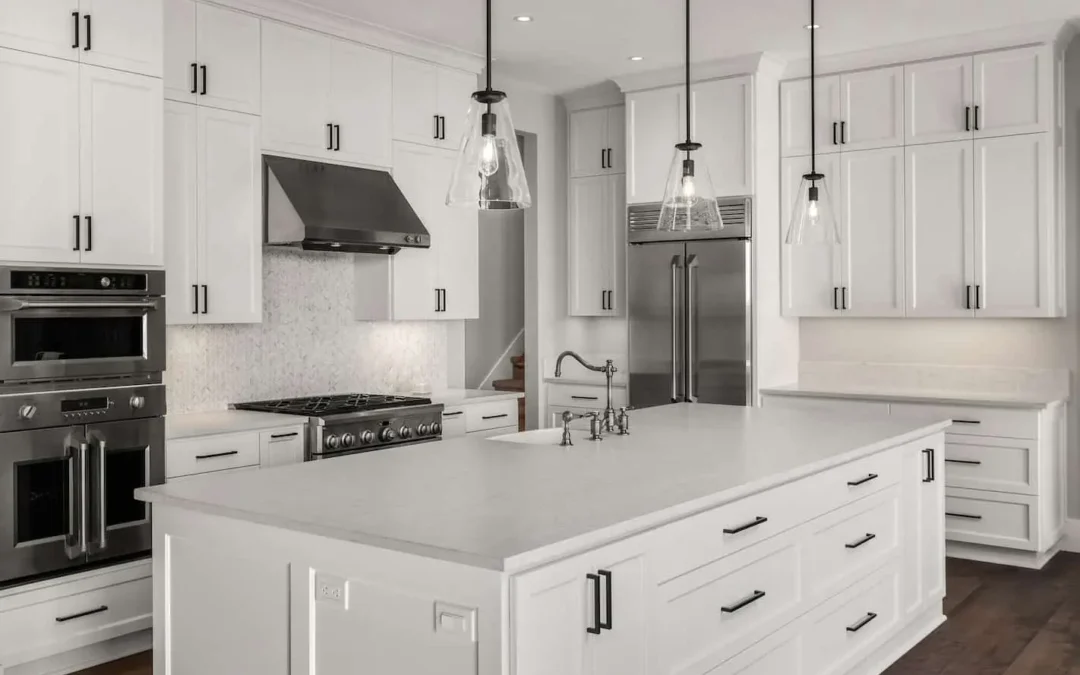
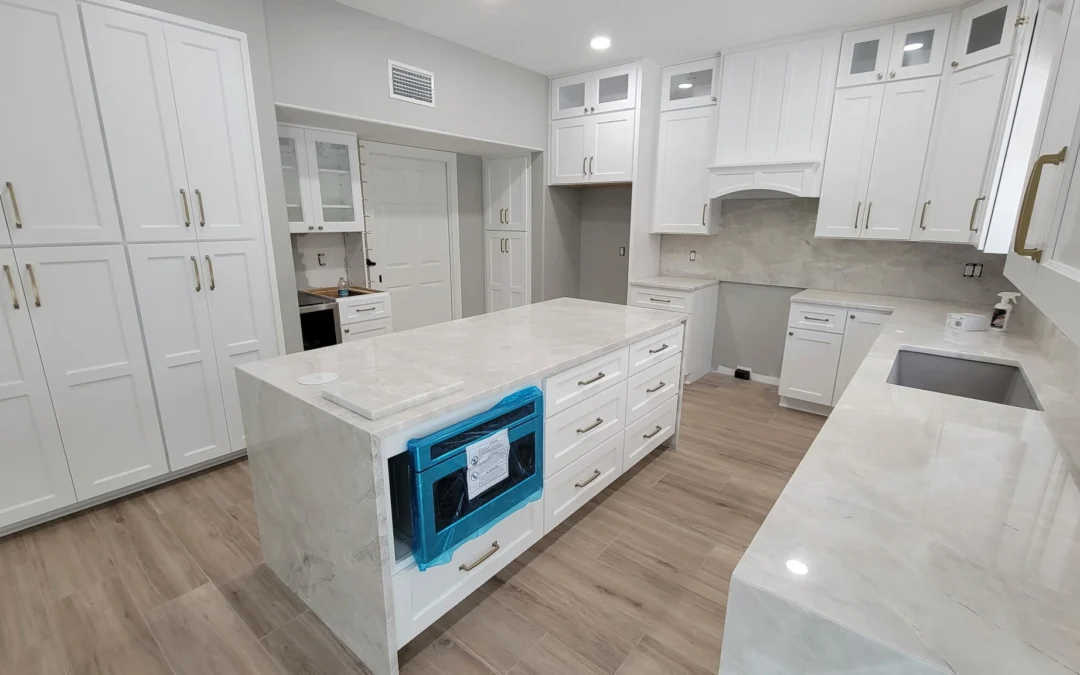
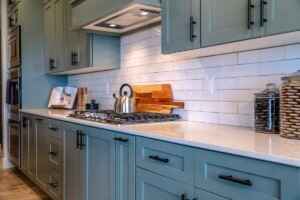
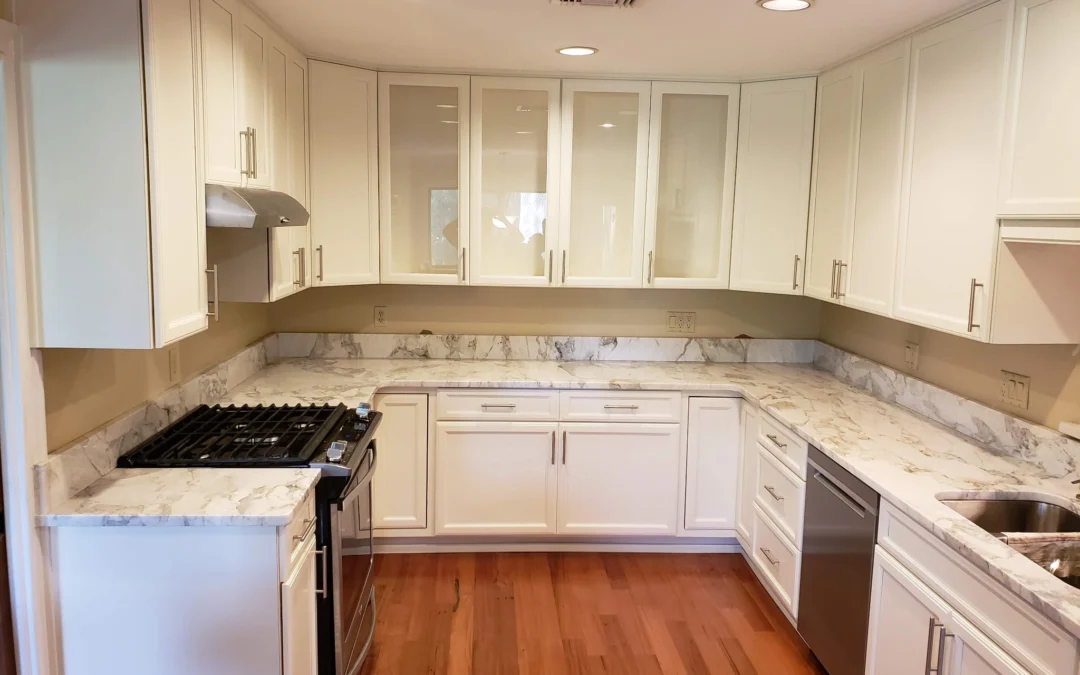
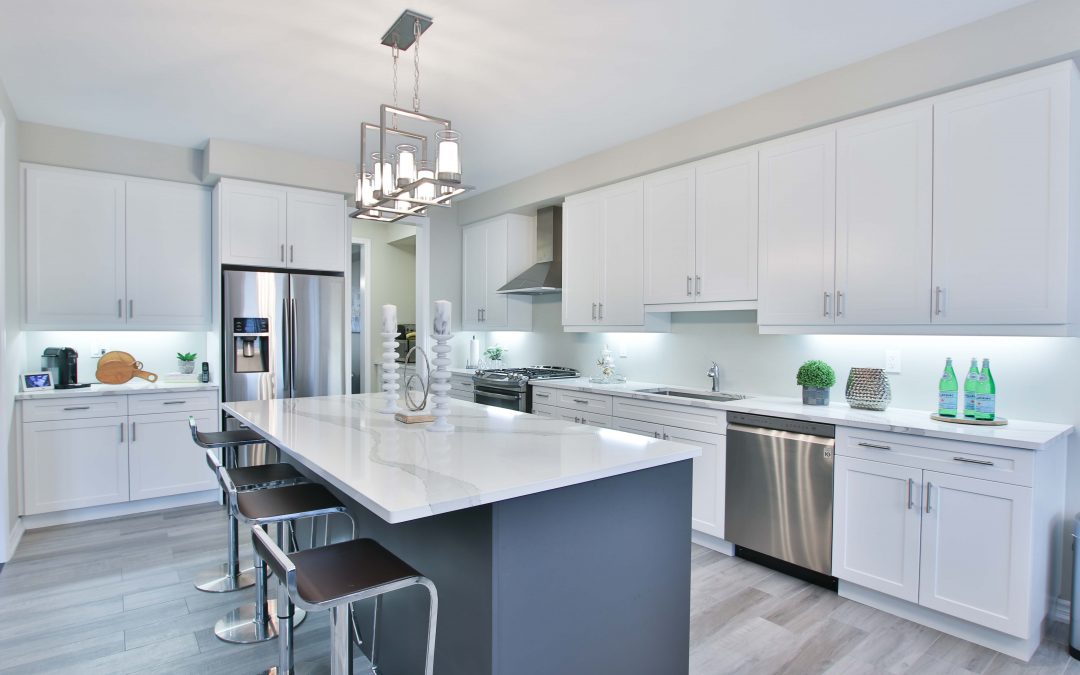
Shaker cabinets are one of the most popular choices in kitchen design today, and for good reason. This cabinet style is known for its simple and timeless design, featuring a five-piece door with a recessed center panel. The clean lines of the Shaker style give it a versatile and clean look that works well in almost any setting.
Because of their simplicity, Shaker cabinets can blend seamlessly into various aesthetics, from modern farmhouse to transitional. This adaptability makes them a safe yet stylish choice for any kitchen remodeling project.
For small kitchens, the uncluttered look of Shaker cabinets can be particularly beneficial. Their simple design doesn’t overwhelm the space, helping a smaller room feel more open and airy. Pairing them with a light color can further enhance this effect, making them an excellent cabinet type for small kitchens.
Raised Panel Cabinets
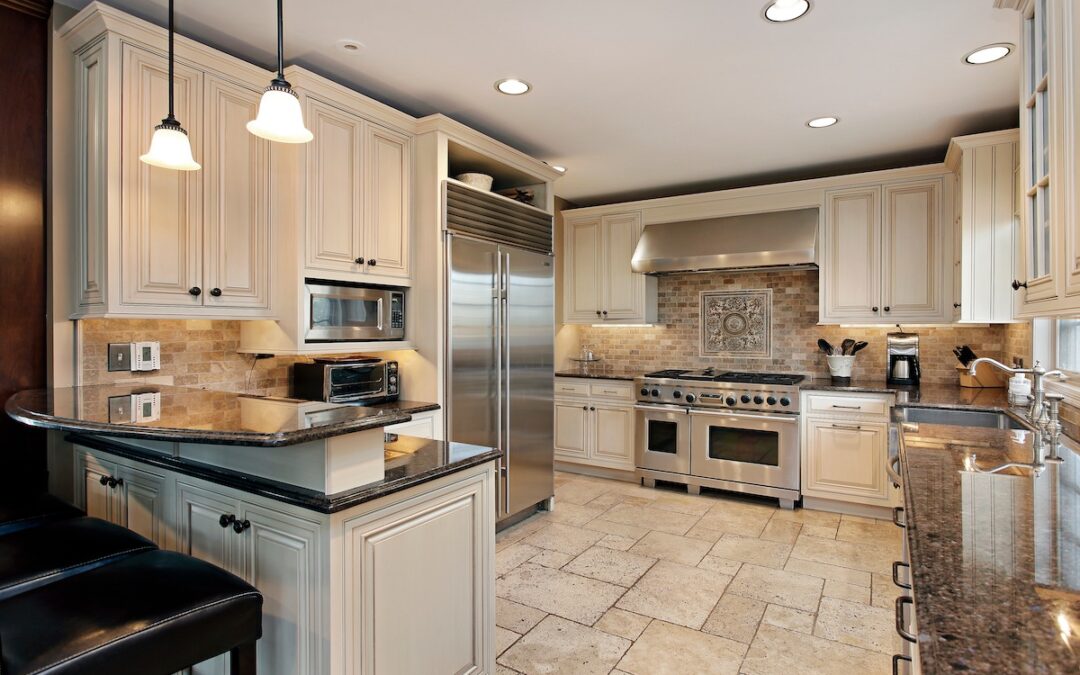
Raised panel cabinets offer a more traditional and formal look compared to other styles. The name comes from the center panel of the cabinet door, which is raised to create a grooved, dimensional effect. This cabinet door style adds a touch of elegance and sophistication to any kitchen.
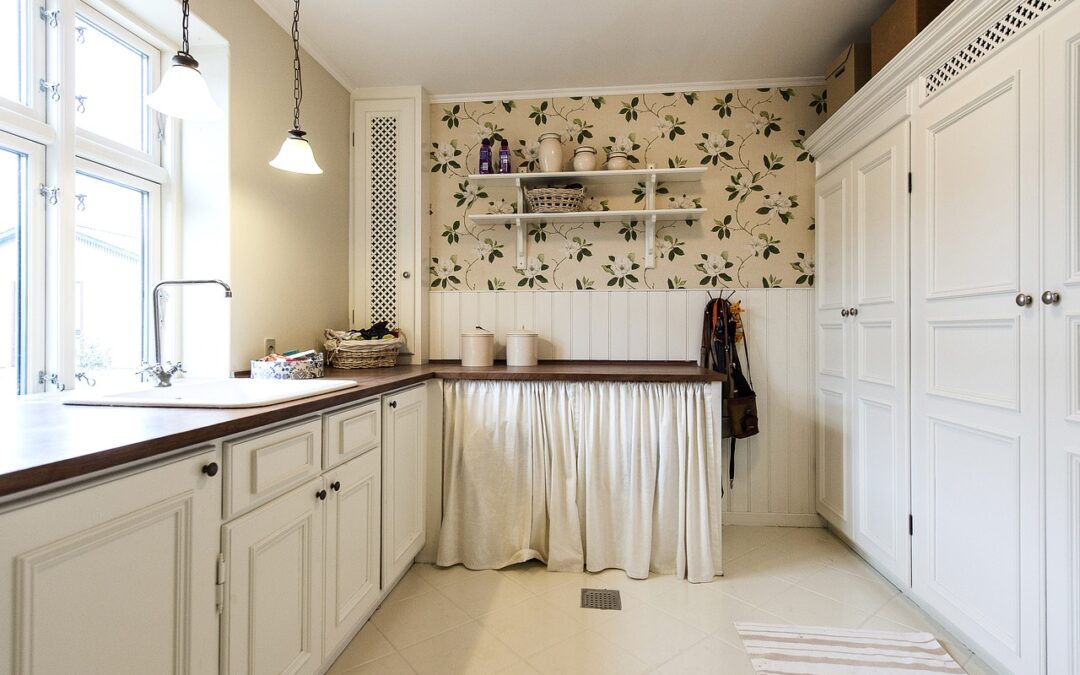
These panel kitchen cabinets are often associated with classic design and craftsmanship. The detailed profile on the door creates shadows and highlights that add visual interest and depth. This style can be customized with different edge profiles to achieve a unique, custom look.
A key benefit of raised panel cabinets for kitchen storage is their timeless appeal, which adds lasting value to your home. They can be crafted from solid wood or use a wood veneer and are available in a wide range of finishes, from rich wood stains to classic painted colors.
Slab and Flat-Panel Cabinets
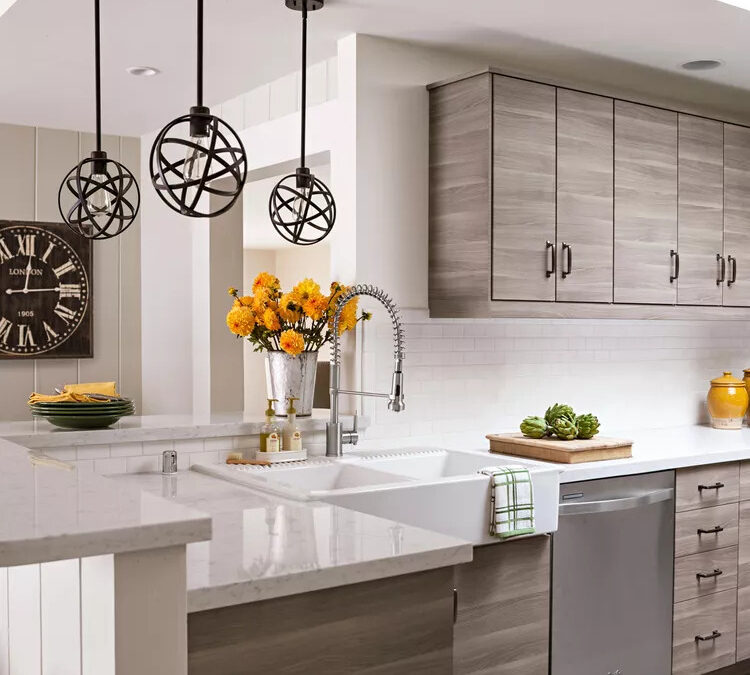
Slab cabinets, also known as flat-panel cabinets, are the definition of sleek and simple. This style features a solid, flat door with no panels or other ornamentation. The minimalist design makes them a perfect fit for modern and contemporary kitchens.
One of the biggest advantages of slab cabinets is their ease of cleaning. With no grooves or details to trap dust and grime, a simple wipe-down is all that’s needed. They are also often more affordable than more detailed styles. Their simple form provides a blank canvas that can be enhanced with bold hardware or unique finishes.
These cabinets are available in a variety of designs and materials, including solid wood, but they are also commonly made from engineered wood and covered with laminate or a wood veneer. This allows for a wide range of colors and finishes, making them a versatile choice for modern designs.
Cabinet Construction: Framed vs. Frameless
Beyond style, cabinet construction is another crucial factor to consider. The two main construction methods are framed and frameless. This choice affects the cabinet’s appearance, storage space, and how the doors are mounted.
A framed cabinet has a face frame on the front of the cabinet box, while a frameless cabinet does not. Understanding the difference between these two types of cabinet construction will help you decide which is better suited for your desired cabinet style and functional needs.
What is a Framed Cabinet?
A framed cabinet is a traditional style of cabinet construction that is common in American homes. It features a solid wood frame, called a face frame, attached to the front of the cabinet box. This frame is typically 1.5 inches wide and adds rigidity and sturdiness to the cabinet.
The cabinet doors and drawers are attached to this cabinet frame. This type of construction allows for different door mounting options, including overlay, partial overlay, and inset, which gives you more style flexibility. The face frame provides a classic, sturdy look that many people prefer.
In terms of function, the frame slightly reduces the opening size and interior storage space compared to a frameless cabinet. However, its robust construction makes it a durable choice that is well-suited for custom cabinetry and traditional kitchen designs.
What is a Frameless Cabinet?
Frameless cabinets, also known as European-style cabinets, offer a more modern and streamlined look. As the name suggests, this type of cabinet construction does not have a face frame. The cabinet doors attach directly to the sides of the cabinet box, providing a sleek, seamless appearance.
With no frame blocking the opening, frameless cabinets offer full access to the interior, making it easier to store and retrieve larger items. The cabinet doors fully cover the cabinet face, creating a clean, uninterrupted line that is popular in modern kitchens.
Functionally, frameless cabinets provide slightly more storage space and wider openings for drawers and roll-out trays. While some believe they are less sturdy than framed cabinets, they are built with thicker box materials to ensure durability. Their simple style and efficient use of space make them a popular choice for contemporary designs.
A Beginner’s Guide to Choosing Cabinets
Choosing the right cabinets can feel overwhelming, but a systematic approach can make the process much easier. Start by considering your kitchen layout, your specific storage needs, and the overall kitchen design you want to achieve.
This guide will break down the process into simple, manageable steps. From measuring your space to selecting materials and styles, we’ll walk you through everything you need to know to select the perfect cabinet types for your home.
What You’ll Need to Get Started
Before you start shopping for your new kitchen cabinet, a little preparation will go a long way in your kitchen remodeling project. Gathering some key information upfront will help you make informed decisions and streamline the selection process.
First, think about how you use your kitchen. What works and what doesn’t with your current setup? Make a list of your must-haves, whether it’s more drawer space, a dedicated pantry, or special features. Also, start gathering inspiration. Look at photos online and in magazines to get a clear idea of the styles you like.
To begin, you will need to focus on a few key things:
- A tape measure for measuring space accurately.
- A notepad or device to jot down measurements and ideas.
- An initial idea of your budget and desired cabinet materials.
Step-by-Step Guide for Selecting the Right Cabinets
Deciding on the best cabinet type for your kitchen remodel involves balancing style, function, and budget. Following a step-by-step process can help you navigate the choices and find the perfect fit for your home.
This process starts with the practical considerations of your space and budget and then moves on to the more creative aspects of choosing styles and finishes. By breaking it down, you can ensure you cover all your bases and end up with a kitchen you love.
Here’s a quick overview of the steps we’ll cover:
- Measure your space to determine what will fit.
- Set a realistic budget for your project.
- Decide on the cabinet type, style, materials, and finishes.
Step 1: Measure Your Space
The first practical step in choosing cabinets is to measure your space accurately. This is a critical factor because it determines how many cabinets you can fit and their potential configuration. Grab a tape measure and document the dimensions of your kitchen, including wall lengths, ceiling height, and the locations of windows, doors, and existing plumbing or electrical outlets.
Once you have the overall dimensions, you can start planning your kitchen layout. Consider the work triangle—the path between the sink, refrigerator, and stove—to ensure a functional flow. This is where you’ll decide where base cabinets, wall cabinets, and tall units will go.
These measurements are essential whether you’re considering cabinets in standard sizes or opting for custom cabinetry. Your measurements, often calculated by the linear foot, will be the foundation for getting price quotes and ensuring your new cabinets fit perfectly.
Step 2: Set Your Budget
After measuring your space, the next important step is to set your budget. Your budget is a major factor that will guide your cabinet choices. Kitchen cabinets can range widely in price, from affordable stock options to high-end custom designs. Having a clear number in mind will help you narrow down your options.
Consider that cabinets typically account for a significant portion of a kitchen remodel budget. When you set your budget, think about what is most important to you. Are you prioritizing specific cabinet materials, a particular style, or maximum storage?
Knowing your financial limits will help you decide between stock cabinets, semi-custom, or fully custom cabinets. Stock cabinets are the most budget-friendly, while custom cabinets offer complete personalization at a higher cost. A realistic budget ensures you can get the kitchen you want without overspending.
Step-by-Step Guide for Selecting the Right Cabinets (Continued)
With your measurements and budget in hand, you’re ready for the fun part: choosing the look of your cabinets. This is where your kitchen design really starts to take shape. You’ll need to decide on the cabinet style as well as the materials and finishes that best suit your vision.
These choices will define the personality of your kitchen. Let’s explore how to select the right cabinet type and style, and then how to pick the perfect materials and finishes to complete the look.
Step 3: Decide on Cabinet Type and Style
Now it’s time to choose your cabinet type and style. Based on your budget, decide if you’ll go with stock, semi-custom, or custom cabinets. Stock offers affordability and quick availability, while custom provides complete design freedom. Semi-custom sits in the middle, offering a balance of customization and cost.
Next, select a cabinet style that reflects your personal taste and complements your home’s architecture. Think about the different door styles we’ve discussed. Do you prefer the clean, simple lines of Shaker or slab doors? Or does the traditional elegance of raised panel or inset cabinets appeal to you more?
Looking at inspiration photos is a great way to visualize how different styles will look in a finished kitchen. This step is all about aesthetics, so choose a style that you find beautiful and that you’ll be happy to see every day.
Step 4: Choose Materials and Finishes
The final step in the selection process is choosing your cabinet materials and finishes. The material you choose affects not only the look of your cabinets but also their durability and cost. Solid wood is a popular and durable choice, but engineered wood options like MDF and plywood are also common and can be more budget-friendly.
Solid wood cabinets are often used for high-end kitchens due to their strength and beauty. Engineered wood, often covered with a wood veneer, paint, or laminate, offers a stable and smooth surface that resists warping, making it a practical choice for many homeowners.
The finish is the final touch that brings it all together. You can choose from a variety of paint colors, wood stains, or even a glossy lacquer. The finish protects the cabinets and allows you to achieve a custom look, whether you want a natural wood grain to show through or a bold, painted color to make a statement.
Popular Cabinet Materials and Their Benefits
The material your cabinets are made from is just as important as their style. Different cabinet materials offer unique benefits in terms of durability, appearance, and price. The most common options include solid wood and engineered wood products like plywood and MDF.
Understanding the characteristics of each material will help you choose the best option for your kitchen’s needs and your budget. Let’s examine the pros and cons of some of the most popular choices, starting with solid wood.
Solid Wood Cabinets
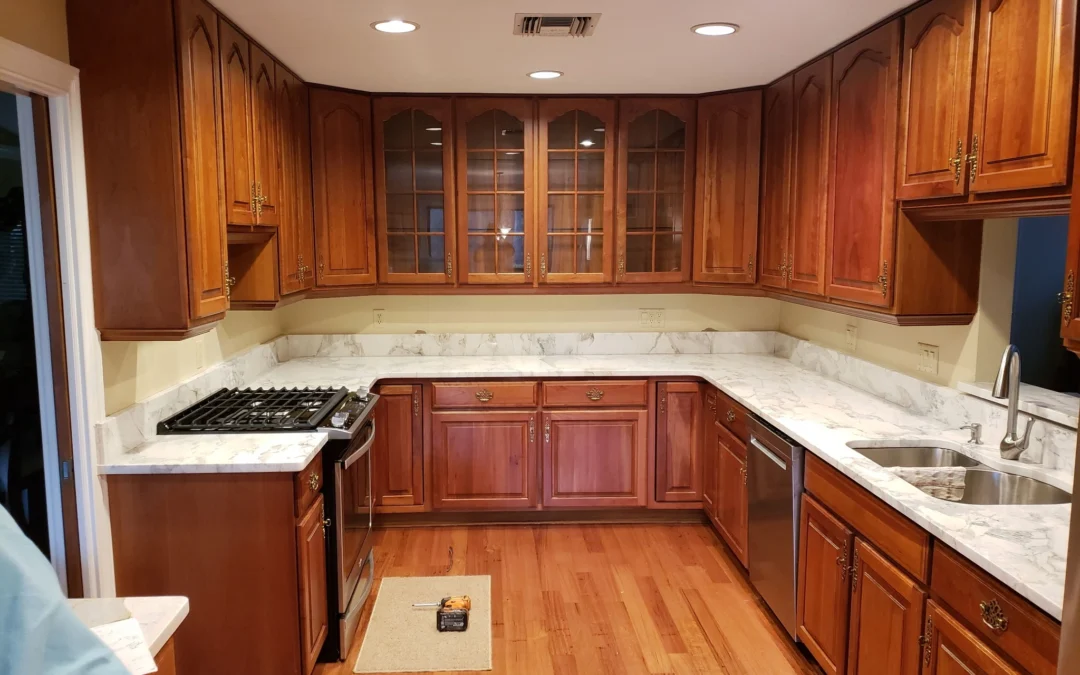
Solid wood is a classic and highly sought-after material for kitchen cabinets, prized for its natural beauty and strength. Woods like oak, maple, and cherry are frequently used because they create beautiful and durable cabinets that can last a lifetime with proper care.
One of the greatest benefits of solid wood is its authentic look and feel. The natural grain patterns add an element of warmth and character that can’t be replicated. It’s an excellent choice for traditional styles like raised panel cabinets and is strong enough to hold up to heavy use.
While it is often more expensive than other materials, many homeowners find the investment in solid wood worthwhile for its longevity and timeless appeal. It’s also a great option for custom cabinetry, as it can be shaped and finished in countless ways.
MDF and Plywood Cabinets
MDF (Medium-Density Fiberboard) and plywood are two popular types of engineered wood used in cabinet construction. They are often more affordable cabinets compared to solid wood, making them a great choice for budget-conscious projects. Plywood is made from layers of wood veneer glued together, which makes it very strong and resistant to moisture.
MDF cabinets are made from recycled wood fibers and resin, pressed into dense sheets. This creates an exceptionally smooth surface that is perfect for painting, as it won’t show any wood grain. This makes MDF a fantastic choice for kitchens with painted finishes.
Both MDF and plywood are stable materials that are less likely to warp or crack with changes in temperature and humidity than solid wood. They are commonly used for the cabinet boxes, even in high-end kitchens, and can be covered with a wood veneer to mimic the look of solid wood for a fraction of the cost.
Stock, Semi-Custom, and Custom Cabinets
Cabinets are generally sold in three main categories: stock, semi-custom, and custom cabinets. The difference between these cabinet types lies in the level of customization, price, and lead time. Stock cabinets are pre-made and ready to ship, semi-custom cabinets offer some modifications, and custom cabinetry is built from scratch to your exact specifications. Understanding these distinctions is key to finding the right fit for your project. Let’s explore what each type offers.
When choosing new cabinets for your home, there are three main options to consider: stock, semi-custom, and custom cabinets. Stock cabinets are the most affordable choice and are available in limited sizes and styles, making them a great option for quick projects with tighter budgets. Semi-custom cabinets offer more flexibility with additional style, finish, and sizing options while remaining in a moderate price range. Custom cabinets provide the highest level of personalization, allowing homeowners to create fully built-to-order cabinetry designed specifically for their space and preferences. While custom cabinets deliver the highest quality craftsmanship, they also come with the longest lead times and the highest cost.
Stock Cabinets
Stock cabinets are mass-produced in standard sizes and styles and are available for immediate purchase. This makes them the most affordable cabinets on the market and a popular choice for homeowners on a tight budget or timeline. They come in set widths, usually in 3-inch increments.
Because they are pre-made, the selection of styles, colors, and finishes is limited compared to other types. Many stock cabinets are available as RTA cabinets (Ready-to-Assemble), which means you assemble them yourself. This can save you even more money on shipping and labor costs.
Are stock or custom cabinets better? If you have a standard kitchen layout and are looking for a quick and budget-friendly solution, stock cabinets are an excellent option. They offer good value and can still result in a beautiful kitchen.
Semi-Custom Cabinets
Semi-custom cabinets offer a happy medium between stock and custom options. They start with standard-sized cabinet boxes but allow for a wider range of modifications. You can choose from more door styles, finishes, and storage features to create a more personalized kitchen design.
With semi-custom cabinets, you have the flexibility to make some dimensional adjustments, like reducing cabinet depth, to better fit your space. This allows you to achieve a more custom look without the high price tag of fully custom cabinetry.
Compared to stock cabinets, they provide more design freedom. While not the most expensive option, they are pricier than stock but offer a great balance of value and personalization for homeowners who want something more unique.
Custom Cabinets
Custom cabinets are the premium choice, built to order to your exact specifications. With custom cabinetry, there are no limits. You can have any size, style, material, or finish you can imagine, allowing you to create your true dream kitchen.
This option is ideal for kitchens with unusual layouts or for homeowners with a very specific design vision. You can incorporate specialty units, unique storage solutions, and a nearly endless variety of designs. A cabinet maker will work with you to design and build cabinets that perfectly fit your space and needs.
Are custom cabinets better for your home? If your budget allows and you desire a one-of-a-kind kitchen tailored precisely to you, then custom is the way to go. They represent the highest level of craftsmanship and personalization.
Factors to Consider When Choosing Cabinets
Choosing the right kitchen cabinet involves more than just picking a style you like. Several practical factors should influence your decision to ensure your new kitchen is both beautiful and functional. You’ll need to think about your kitchen layout, your family’s storage needs, and the overall durability of the cabinet materials.
By carefully considering these elements, you can select cabinet types that will serve you well for years to come. Let’s look at how your kitchen’s size and layout, as well as your specific storage requirements, should guide your choices.
Kitchen Size and Layout
The size and layout of your kitchen are fundamental factors to consider when choosing cabinets. A large, open kitchen can accommodate bigger, bolder cabinet styles, while a small kitchen requires more strategic thinking to maximize storage space without feeling cramped.
For smaller kitchens, consider using lighter-colored cabinets to make the space feel bigger and brighter. Wall cabinets that extend to the ceiling can draw the eye upward and provide extra storage. Smart solutions like corner cabinets with lazy susans can make the most of awkward spaces.
In kitchens with unique dimensions or architectural quirks, custom cabinetry might be the best solution. It allows you to create a seamless fit and optimize every inch of your kitchen layout for storage and easy access, ensuring a functional and visually pleasing result.
Storage Needs and Accessibility
Your personal storage needs and how you use your kitchen should heavily influence your cabinet choices. Take an inventory of what you need to store. Do you have a large collection of small appliances, an extensive set of spices, or lots of bulk pantry items?
Look for storage solutions that cater to your specific items. Deep drawers are great for pots and pans, while pull-out shelves in base cabinets can provide easy access to items stored in the back. A tall pantry cabinet can be a lifesaver for organizing food.
The benefits of each type of cabinet become clear when you match them to your lifestyle. The goal is to create a kitchen where everything has a logical place and is easy to reach. The right combination of cabinet style and internal organization will make your kitchen a joy to work in.
JMT Cabinets Installation Services
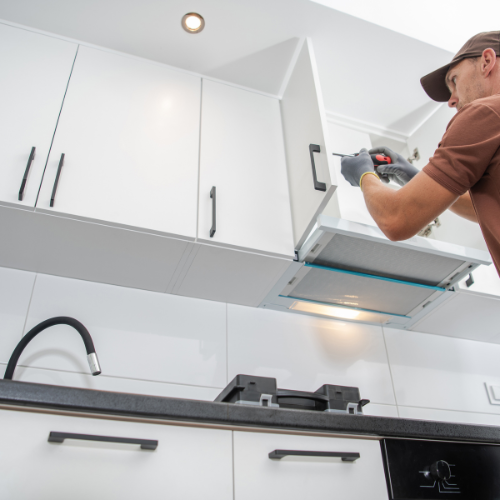
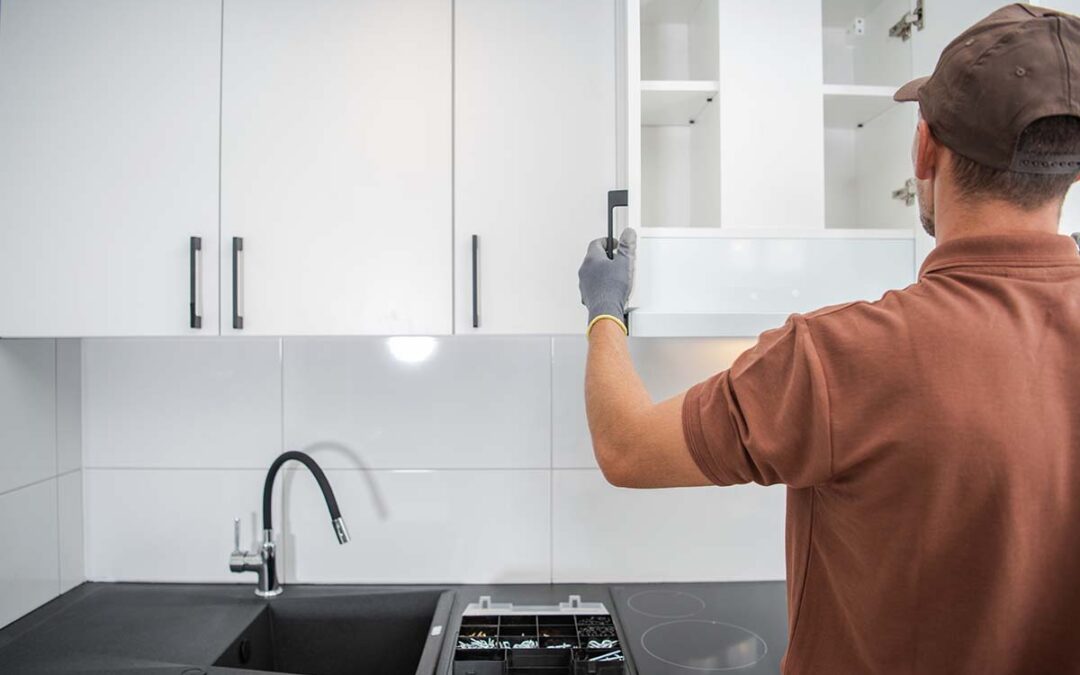
Once you’ve chosen the perfect cabinets, the final step is installation. Proper cabinet installation is crucial for a professional finish and long-lasting durability. Even the highest quality kitchen cabinet can look and function poorly if not installed correctly. This is where professional installation services can make all the difference, ensuring your vision comes to life perfectly.
At JMT Cabinets, we understand the importance of expert installation. Our team is dedicated to providing seamless and efficient installation services for all types of cabinets, from stock to custom cabinetry. We handle every detail, so you can enjoy your new kitchen without the stress and hassle of a DIY project.
What JMT Provides for Cabinet Installations
JMT Cabinets offers comprehensive services to ensure your cabinet installation is smooth and successful. Our experienced team is skilled in installing all kitchen cabinet types, from standard stock cabinets to complex custom designs. We handle the entire process, from precise measurements and layout planning to the final hardware attachment.
We pay close attention to every detail, ensuring that all cabinets are level, secure, and perfectly aligned. Our installers make sure that all cabinet doors and drawers function smoothly, giving you a flawless finish. We work efficiently to minimize disruption to your home and complete the project on time.
For DIY homeowners, RTA stock cabinets are often the easiest to install. However, for a truly professional result and to protect your investment in durable cabinets, trusting our expert team is the best choice.
Why Choose JMT for Your Cabinet Project
Choosing JMT Cabinets for your cabinet project means you’re choosing a partner dedicated to quality and customer satisfaction. We know that a kitchen remodeling project is a significant investment, and we are committed to delivering results that exceed your expectations.
Our team provides expert guidance throughout the entire process. If you’re wondering how to decide which cabinet type is best for your remodel, we can help. We’ll work with you to understand your needs, budget, and desired cabinet style to find the perfect solution, whether it’s stock, semi-custom, or full custom cabinetry.
With our professional installation services and commitment to excellence, you can be confident that your new kitchen will be both beautiful and functional. Let JMT Cabinets turn your kitchen dreams into a reality.
Conclusion
In conclusion, understanding the various types of cabinets is essential for any home improvement project, whether you’re remodeling your kitchen or simply upgrading your storage solutions. From base cabinets to wall and pantry options, each type has its own unique benefits and style that can enhance both functionality and aesthetics. Choosing the right cabinet involves careful consideration of your space, needs, and budget. If you’re ready to take the next step in your cabinet journey, JMT Cabinets offers professional installation services to ensure your cabinets are set up perfectly. Our team of experts is here to assist you in making your vision a reality. Don’t hesitate to reach out for a consultation today!