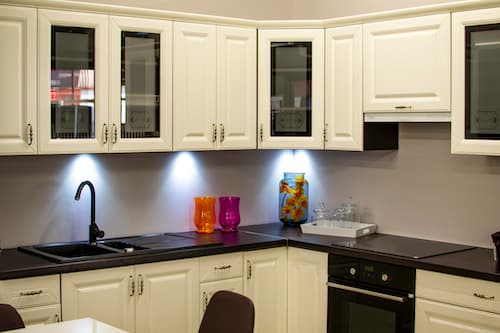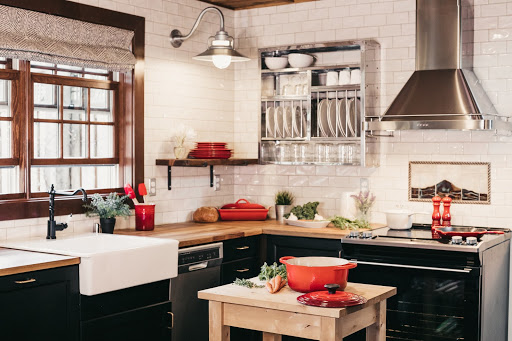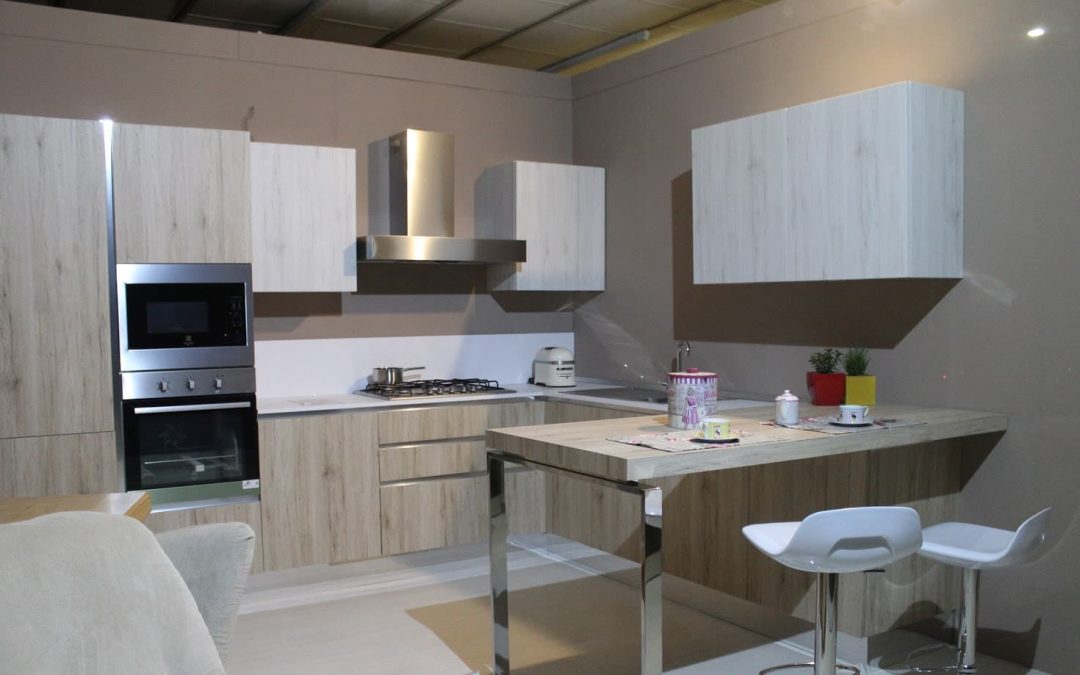
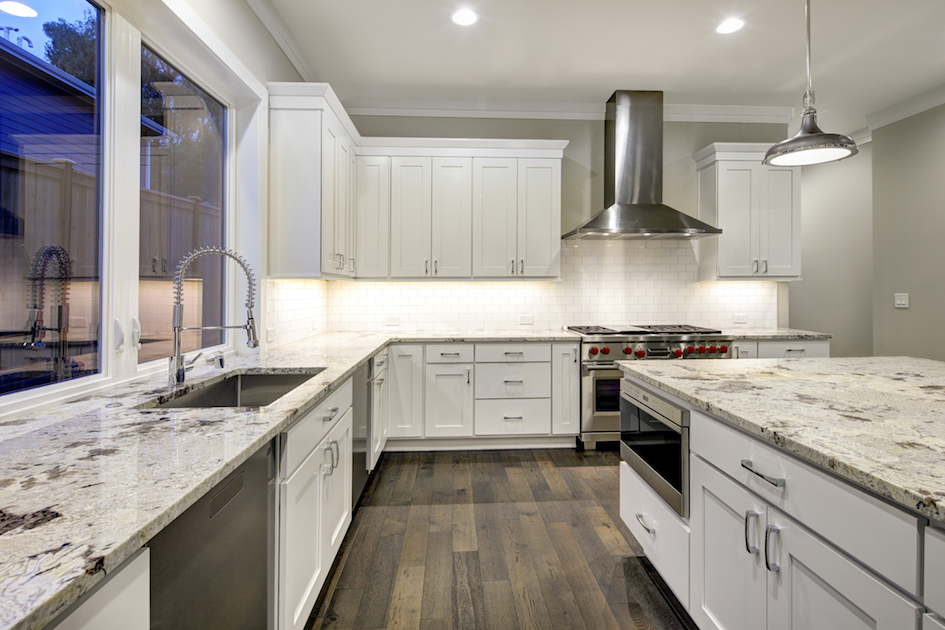
Imagine a kitchen where you can find everything you need in an instant. No more searching for that one pot lid or your favorite mug. Organizing your kitchen cabinets can transform your cooking experience from stressful to seamless. This guide is filled with simple kitchen organization ideas to help you tackle the chaos. From dealing with small kitchen appliances to arranging your plates, you’ll learn how to create a kitchen that is both beautiful and functional, making your daily routine much easier.
Understanding Kitchen Cabinet Organization
Organizing your cabinets is about more than just making things look neat. It’s about creating a system that works for you. The goal is to maximize your storage space and make it simple to find your kitchen tools when you need them.
This process involves decluttering items you don’t use and arranging everything else logically. By thinking about how you use your kitchen, you can set up your cabinets for ultimate efficiency.
Why Organizing Your Kitchen Cabinets Matters
Having organized kitchen cabinets can completely change your kitchen’s feel. When everything has a designated spot, your kitchen becomes a more peaceful and enjoyable space to be in. Reducing clutter not only looks better but also makes your daily cooking tasks quicker and less frustrating. You’ll spend less time searching and more time enjoying your meals.
The best way to organize kitchen cabinets for easy access is to place everyday items in the most reachable spots. For example, keep the plates and glasses you use daily on a lower shelf of your upper cabinets. Pots and pans you use most often should be near the stove. This simple strategy saves you time and effort.
Ultimately, an organized kitchen helps you make the most of your storage space. You might even discover you have more room than you thought. With easy access to all your essentials, your kitchen will function more smoothly, making your life a little bit easier.
Common Challenges with Kitchen Cabinet Storage
One of the biggest challenges with cabinet space is dealing with deep or tall cabinets where items get lost in the back. It’s easy for smaller items to get pushed behind larger ones, making them hard to find. This often leads to buying duplicates because you can’t find what you already own.
Another common issue is the accumulation of junk. Kitchen cabinets can become a dumping ground for miscellaneous items, from old mail to things that don’t have a proper home. This eats up valuable available space that could be used for kitchen essentials. Many people make the mistake of not decluttering an item, which only adds to the chaos.
Finally, not using the vertical storage space is a frequent oversight. People often stack items directly on shelves, forgetting about the empty space above. Without the right organizers, this wasted space contributes to the feeling of not having enough storage, even in a larger kitchen.
Gathering What You Need to Get Started
Before you start pulling everything out of your kitchen cabinets, it’s a good idea to gather some essential tools. Having what you need on hand will make the process much smoother and more efficient.
You’ll want to have cleaning supplies, boxes for sorting, and any new organizer products you plan to use. Being prepared will help you stay focused and finish the project without unnecessary interruptions. Let’s look at the specific tools and resources that will help you succeed.
Essential Tools and Organizing Products
To get your cabinets in order, a few key organizing products can make a huge difference. These tools help you use your space more effectively and keep items from getting jumbled. An organizer for your lids, for instance, can prevent a common source of frustration.
Consider investing in items that fit your specific needs. A turntable, also known as a Lazy Susan, works wonders in corner cabinets or for spices, allowing you to see everything with a simple spin. Drawer dividers are perfect for keeping utensils and smaller tools neatly separated. A basket can corral loose items like snack bags or cleaning supplies.
Here are some of the best products to consider:
- Shelf Risers: These create extra levels on a single shelf, doubling your storage for plates or mugs.
- Dividers: Vertical dividers are great for storing baking sheets, cutting boards, and platters upright.
- Turntables: Ideal for spices, oils, and condiments in upper cabinets or your pantry.
- Baskets and Bins: Use them to group similar items together, like baking supplies or kids’ snacks.
Resources for Inspiration and Planning
Finding inspiration can help you visualize what you want your organized kitchen to look like. There are many places to find great kitchen organization ideas. Professional organizers often share their secrets online, giving you a roadmap to follow. They approach chaotic cabinets by first decluttering and then creating zones for different categories of items.
Websites like Amazon are not just for shopping; you can browse customer photos in reviews to see how others have used various organizers. This can give you practical ideas for your own space. Similarly, home decor blogs and social media platforms are full of visual inspiration, from clever uses of open shelving to perfectly arranged pantries.
Here are a few resources to check out:
- Pinterest: Search for “kitchen cabinet organization” to find endless visual ideas.
- Home Organizing Blogs: Many professional organizers have blogs filled with tips and before-and-after photos.
- YouTube: Watch videos of kitchen organization projects to see the process in action.
Step-by-Step Guide to Organizing Kitchen Cabinets
Ready to transform your kitchen cabinets? Following a step-by-step process can make this big job feel much more manageable. The key is to break it down into smaller, achievable tasks, from decluttering to arranging.
This guide will walk you through each stage, helping you create a system that provides easy access to everything you need. Let’s start with the first, most important step: emptying everything out.
Step 1: Empty All Cabinets and Sort Items
The first step in any organization project is to take everything out of your kitchen cabinets. Yes, everything. This is the only way to see exactly what you have and assess the space you’re working with. Place all the items on your countertops, dining table, or even the floor.
As you take things out, start the decluttering process. Create three piles: keep, donate, and trash. Be honest with yourself about what you truly use and need. This is your chance to get rid of chipped mugs, duplicate utensils, and gadgets you haven’t touched in years.
This step is crucial for making your items more accessible later on. By clearing out the clutter now, you’ll have a clean slate to work with when you start putting things back in an organized way. It might look messy at first, but this initial sort is the foundation for a tidy kitchen.
Step 2: Clean Cabinet Interiors Thoroughly
With your cabinets completely empty, now is the perfect time for a deep cleaning. You’ll likely find crumbs, dust, and old spills that have been hiding for a while. Wiping down the shelves and walls of your cabinets creates a fresh, clean space for your organized items.
For a simple and effective cleaning solution, you can use a mixture of warm water and a little bit of dish soap. For tougher grease or grime, a solution of equal parts water and white vinegar works well. Make sure you have your cleaning supplies ready, including sponges or cloths and a small brush for getting into corners.
Let the cabinets dry completely before you start putting anything back inside. You can also take this opportunity to add shelf liners if you like. Starting with spotless cabinets makes the entire organization project feel more complete and rewarding.
Step 3: Group Similar Items Together
Now that your cabinets are clean and your items are sorted, it’s time to group like with like. This is a key step in deciding what goes where. Gather all of your cookware, including pots, pans, and lids, in one area. Do the same for your dishes, glasses, and mugs.
Create separate categories for other items as well. Put all your baking supplies together, like mixing bowls, measuring cups, and baking pans. Group all your food storage containers in one spot. You should also have piles for small kitchen appliances, utensils, and any other categories you have.
By grouping everything, you can see how much you have of each type of item. This will help you determine how much space you need for each category and make it easier to plan where everything will go in your newly organized cabinets.
Step 4: Decide What Stays and What Goes
With your items sorted into groups, it’s time to make the final decluttering decisions. Look at each group and be critical. Do you really need five whisks or three sets of dinner plates? Getting rid of duplicates is one of the quickest ways to free up space and improve the kitchen feel.
Ask yourself a few questions for each item: When was the last time I used this? Do I have another item that does the same job? Is it broken or in poor condition? Let go of anything you haven’t used in the past year, as well as any junk that has accumulated.
The goal is to only keep what is useful, valuable, or brings you joy. A clutter-free kitchen not only looks better but also improves accessibility. You shouldn’t have to dig through items you never use to get to the things you need every day.
Step 5: Plan Cabinet Layout for Easy Access
Now for the fun part: planning your new cabinet layout. The key principle is to keep items close to where you use them. For example, store dishes and glasses in upper cabinets near the dishwasher or drying rack to make unloading simple. Keep your coffee mugs near the coffee maker.
Place frequently used cookware, like your favorite skillet and spatula, in a cabinet or drawer near the stove for easy access. Items you use less often, such as special occasion platters or seasonal baking supplies, can go in higher cabinets or at the back of deeper shelves.
Think about your daily routines when deciding on your cabinet layout. Heavy items like a stand mixer or an Instant Pot should be stored in lower cabinets to avoid heavy lifting. By creating logical zones for everything from baking to cooking, you’ll create a kitchen that flows with your lifestyle.
Maximizing Space in Small Kitchen Cabinets
If you have a small kitchen, you know that every inch of cabinet space counts. The challenge is to fit all your essentials without making the space feel cramped and cluttered. Luckily, there are clever ways to maximize your storage space.
With the right strategies and tools, you can make even the tiniest kitchen feel more spacious and organized. The focus is on using overlooked areas and choosing organizers that make the most of your available cabinet space.
Vertical Storage Solutions and Stackable Organizers
To maximize storage in a small kitchen, think vertically. Much of the space in your cabinets goes unused, particularly the area between a shelf and the top of the cabinet. Stackable organizers and shelf risers are perfect for taking advantage of this vertical storage. They allow you to create a second level for plates, bowls, or mugs.
Another great trick is to use the inside of your cabinet door. Install a rack to hold pot lids, cutting boards, or boxes of plastic wrap and foil. You can also use hooks to hang measuring spoons or other small utensils. These solutions keep smaller items contained and easy to find, freeing up valuable shelf space.
Using vertical dividers is another excellent way to store items like bakeware and platters. Storing them on their sides instead of stacking them flat makes them easier to grab and takes up less horizontal space.
| Organizer Type | Best For | Storage Benefit |
| Shelf Risers | Plates, bowls, mugs | Creates a second tier on a shelf, doubling storage capacity. |
| Vertical Dividers | Baking sheets, cutting boards, platters | Stores items upright for easy access and efficient use of space. |
| Cabinet Door Racks | Pot lids, foil/wrap boxes, spices | Utilizes unused door space, freeing up shelves. |
| Stackable Organizers | Cans, jars, water bottles | Lets you stack items safely and access them without unstacking. |
Tips for Efficient Use of Cabinet Drawers
Cabinet drawers are often a hotspot for clutter, especially the infamous “junk drawer.” However, with the right approach, they can become incredibly organized and functional. The key is to use drawer dividers to create a designated spot for everything. This prevents utensils, silverware, and other smaller items from sliding around and getting jumbled.
When organizing drawers and cabinets together, think about workflows. Place drawers with everyday silverware and utensils near the dishwasher for easy unloading. A drawer near the stove can hold cooking utensils like spatulas and whisks. This synergy between cabinets and drawers creates a highly efficient kitchen.
Here are a few useful ideas for organizing your drawers:
- Use adjustable drawer dividers to customize sections for different types of utensils.
- Assign a kid-height drawer for children’s bowls, cups, and silverware so they can help themselves.
- Use dividers or small bins to corral smaller items like bag clips, rubber bands, and batteries.
- Consider a two-tier divider to maximize space in deeper drawers.
Why JMT Cabinets is a Best Cabinet Installer in Orlando?
When it comes to upgrading your kitchen, the quality of your kitchen cabinets and the skill of the installer make all the difference. JMT Cabinets is a premier cabinet installer in Orlando, known for our commitment to excellence and customer satisfaction. We understand that beautifully installed cabinets are the foundation of an organized and functional kitchen. Our team of experienced professionals ensures that every installation is done with precision and care, providing you with a flawless finish that lasts.
Choosing JMT Cabinets means you’re getting more than just new cabinets; you’re getting a partner dedicated to bringing your vision to life. We work with you to find the best way to meet your storage needs and aesthetic goals. From selecting the right style to the final installation, we guide you through every step. Trust JMT Cabinets to provide the high-quality craftsmanship your home deserves, creating a kitchen you’ll love for years to come.
Conclusion
In conclusion, organizing your kitchen cabinets can transform not only the space but also your cooking experience. By overcoming common challenges and implementing practical steps, you’ll create a functional and inviting kitchen environment. Remember, it’s about grouping similar items, maximizing your space, and ensuring everything is easily accessible. With the right tools and strategies, anyone can achieve an organized kitchen. Embrace the journey of creating a well-ordered kitchen that reflects your style and meets your needs. If you would like personalized guidance on cabinet installation or organization, reach out to JMT Cabinets for expert assistance!
Frequently Asked Questions
What are the best organizing tools for kitchen cabinets?
The best organizing tools include dividers for bakeware, a turntable for spices and oils, and shelf risers to double your shelf space. A basket is great for grouping small items, while stackable organizers are perfect for cans and jars. Choose an organizer based on what you need to store.
How do I organize kitchen cabinets if I have limited space?
In a small kitchen, maximize your storage space by using vertical storage solutions like shelf risers and stackable organizers. Use the inside of cabinet doors for extra storage and choose organizers that make the most of every inch of cabinet space. Decluttering regularly is also essential.
What mistakes should beginners avoid when organizing kitchen cabinets?
Beginners should avoid skipping the decluttering step. Don’t keep duplicates you don’t need, and don’t forget to plan for accessibility. A common mistake is buying organizers before you know what you need to store, which can lead to more clutter in your kitchen cabinets.
How can I quickly tidy up messy kitchen cabinets?
For a quick tidy-up, focus on one cabinet at a time. Do a fast decluttering session, removing obvious junk and items that don’t belong. Group similar items together and rearrange them for easy access. Even 15 minutes can make a big difference in creating a tidy kitchen.