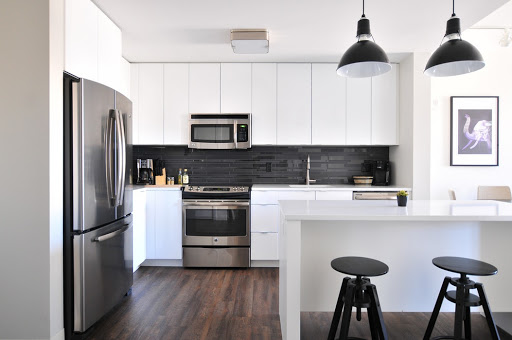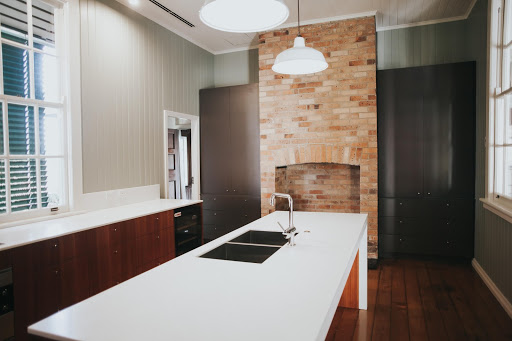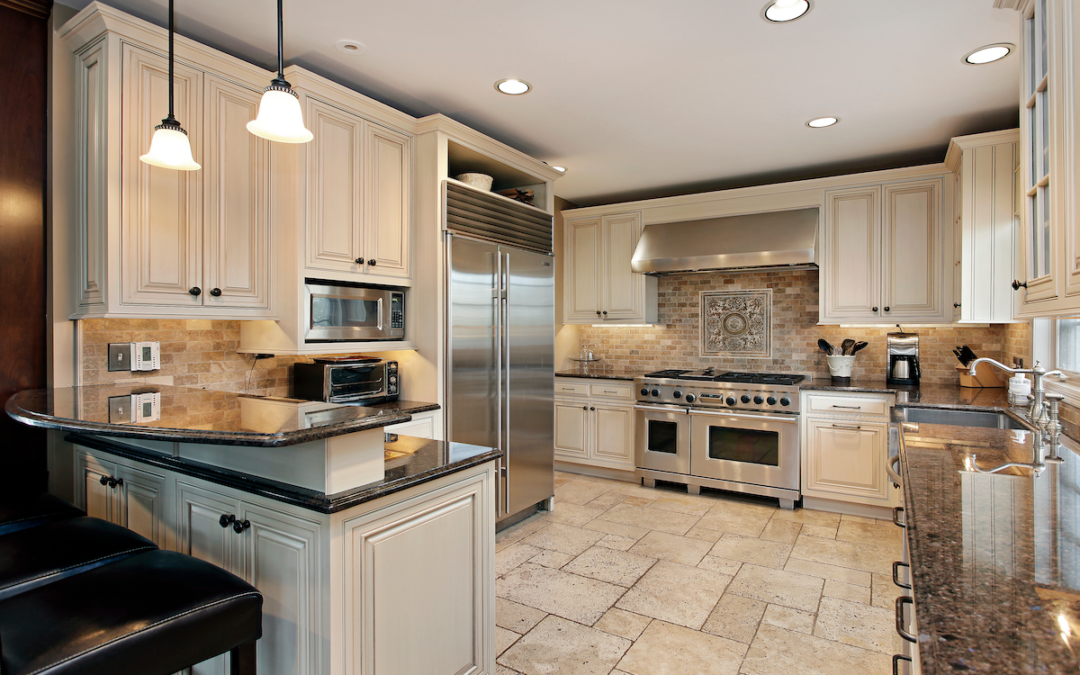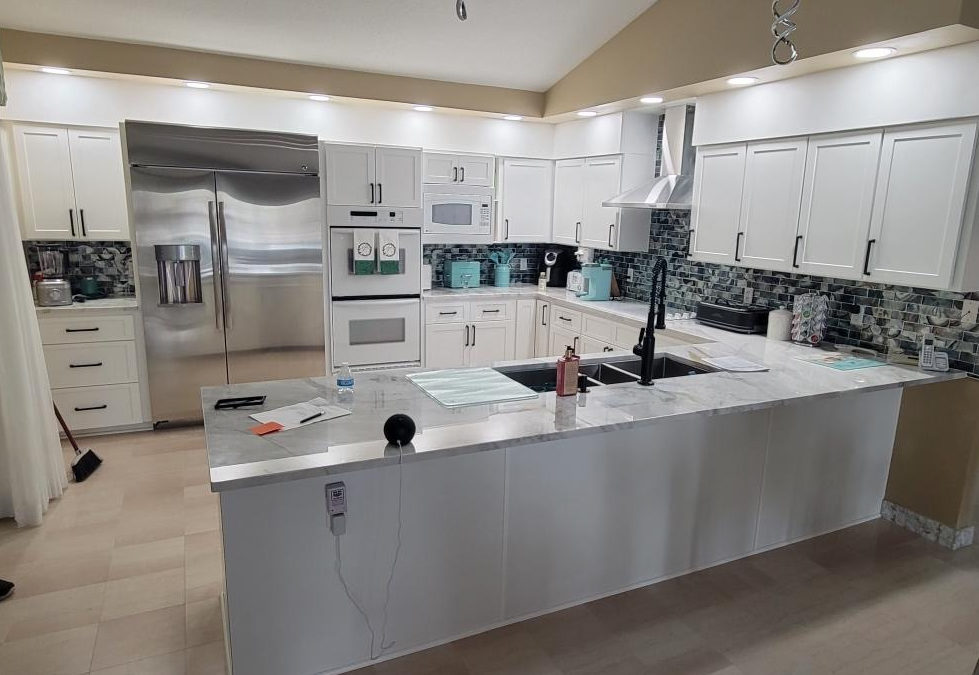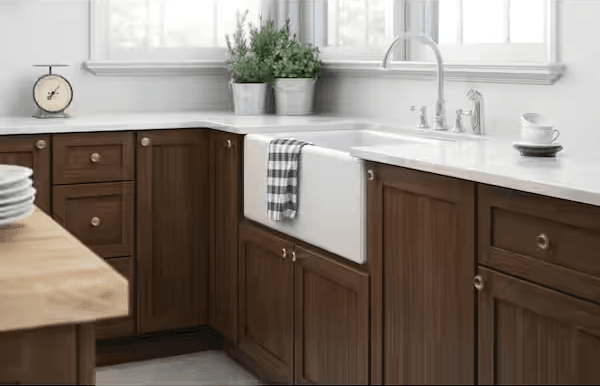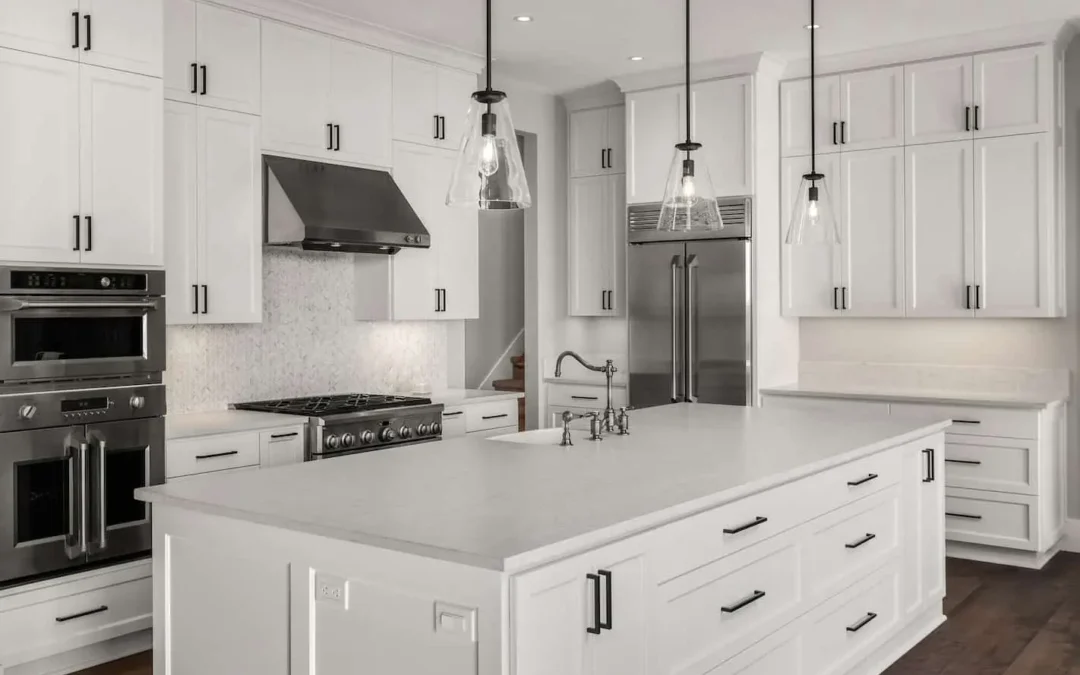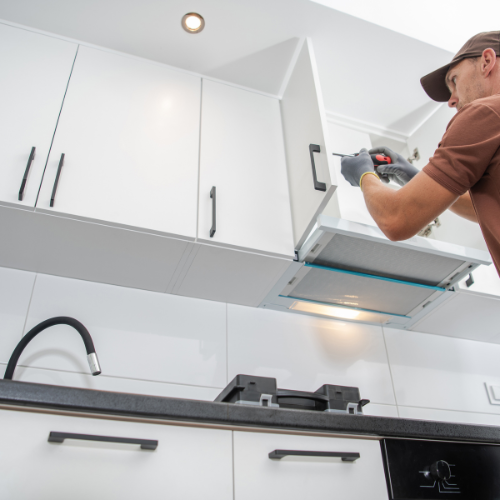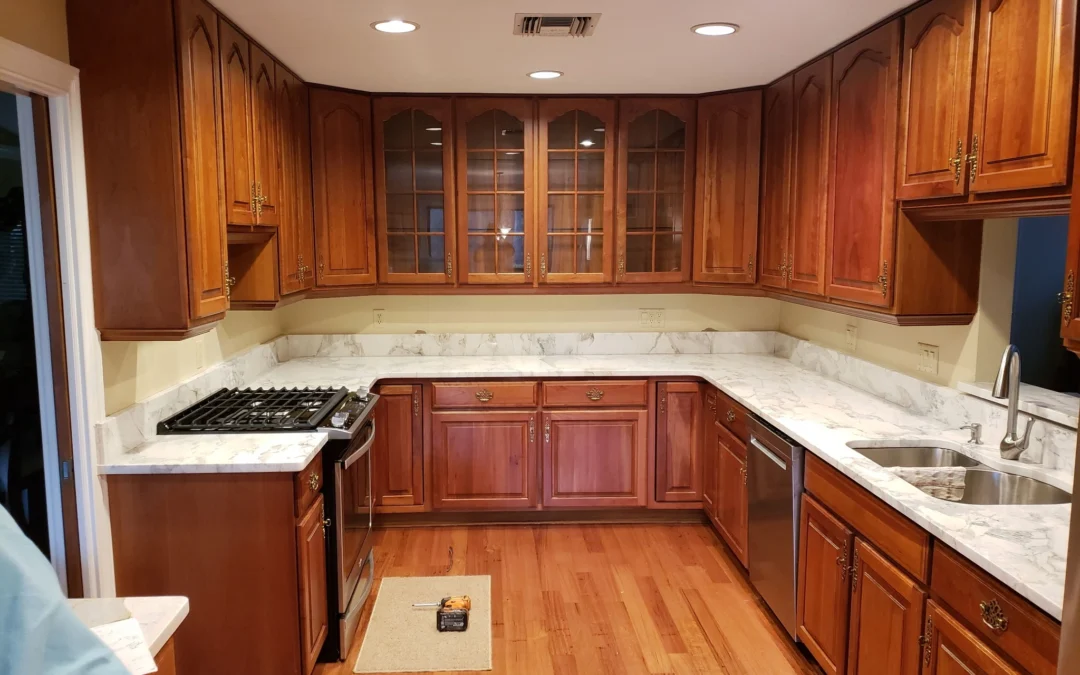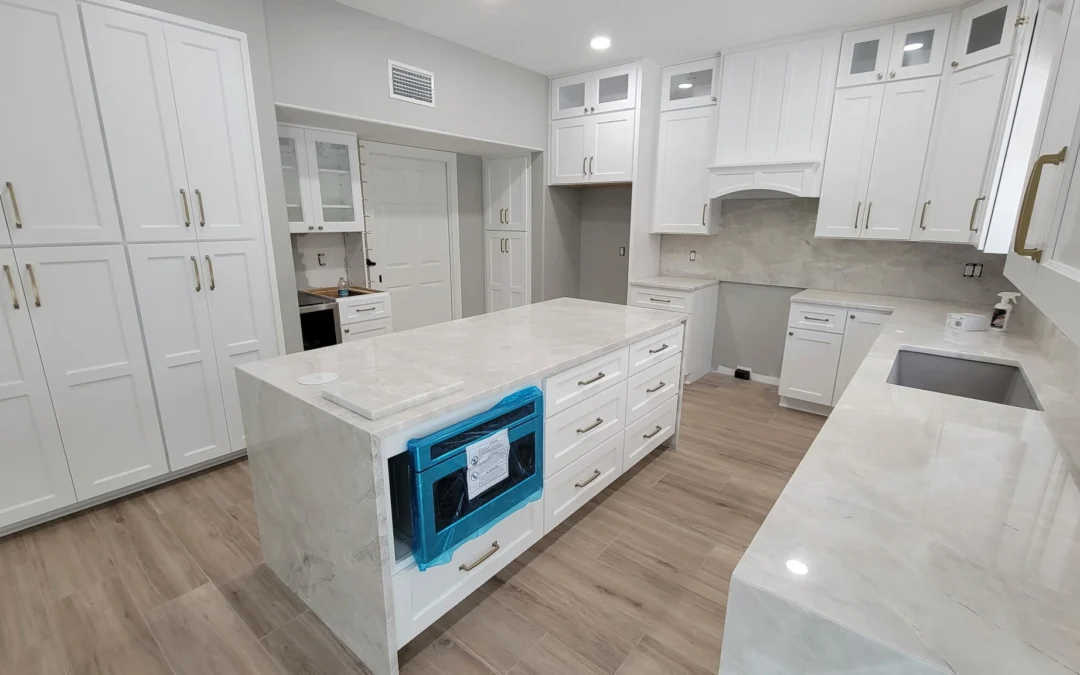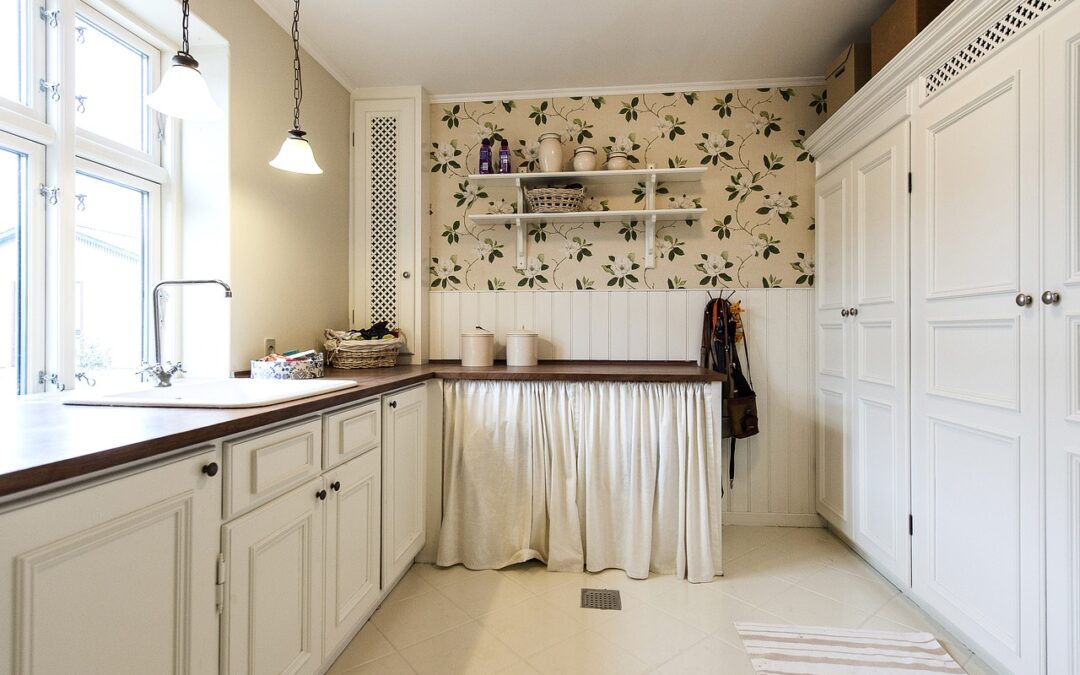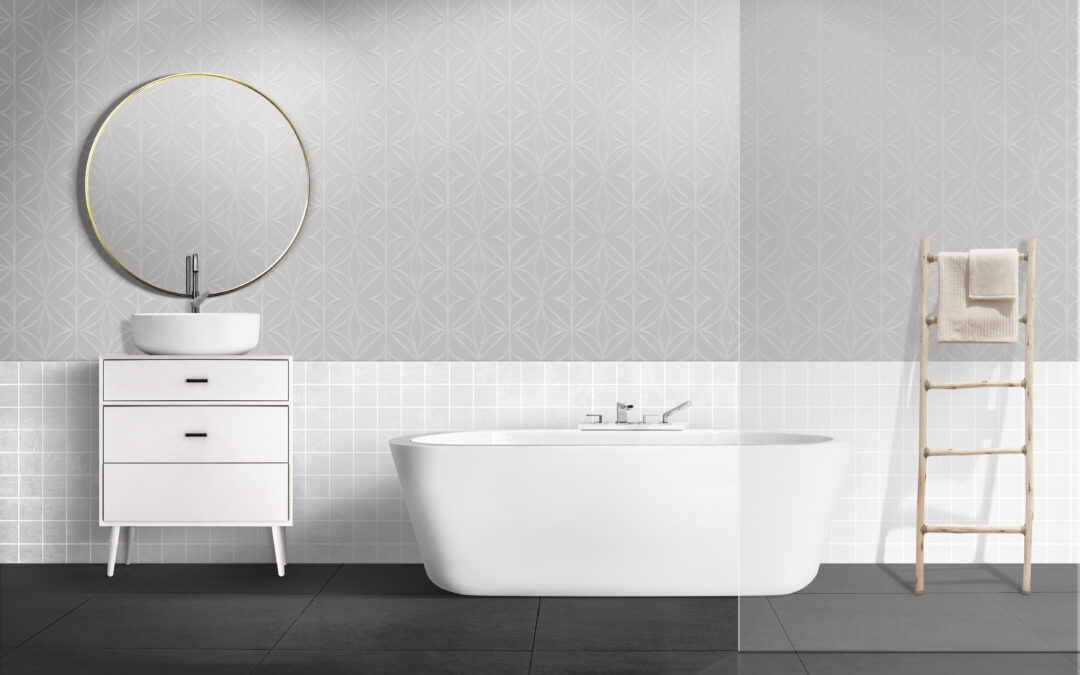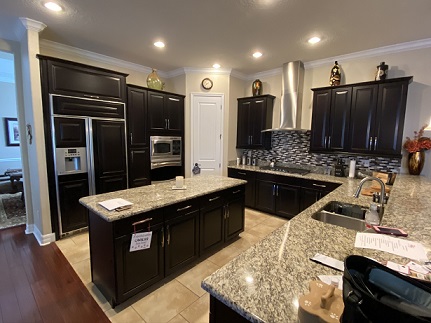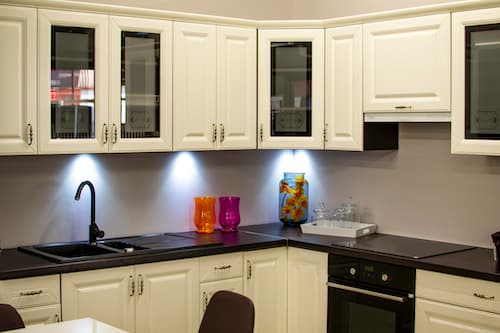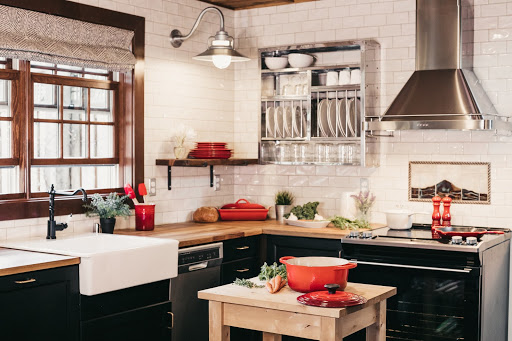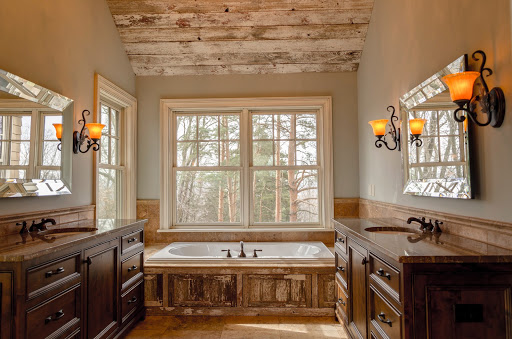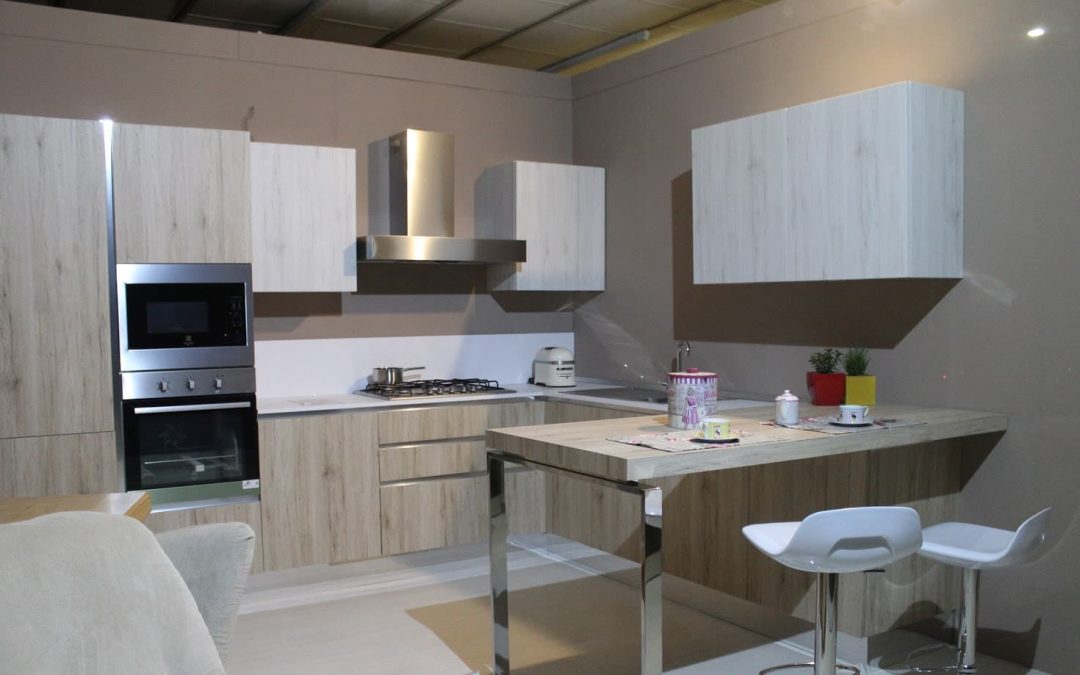
Your kitchen cabinets shape how your whole kitchen looks and works. If they feel dated, you may think cabinet replacement is your only option. In many cases, it is not. Cabinet refacing gives you a fresh appearance by updating the parts you see most, while keeping the main cabinet structure. That can make it a practical middle ground between living with worn cabinets and paying for a full replacement. To decide wisely, you need a clear look at both sides.
Understanding Kitchen Cabinet Refacing
Kitchen cabinet refacing is a cosmetic update for cabinets that still have strong cabinet boxes. Instead of tearing everything out, refacing keeps the main structure and changes the outside pieces that show daily wear.
That usually means adding a new veneer to exposed cabinet boxes and installing updated fronts. For homeowners who like their current layout, refacing can create a newer look without the mess, cost, and downtime tied to a larger remodel. The next sections break down how it works and how it compares with other options.
What Does Refacing Kitchen Cabinets Involve?
At its core, the refacing process keeps your existing cabinet boxes and updates the exterior parts. The old cabinet doors and drawer fronts are removed first. After that, the exposed cabinet frames and sides are covered with a new veneer or matching finish.
Next comes the visible transformation. New cabinet doors and drawer fronts are installed to match the color, style, and overall look you want. Many homeowners also replace knobs, pulls, and hinges at the same time for a cleaner result.
In some projects, small upgrades such as crown molding, glass panels, or other add-ons are included. The main steps are simple: prepare the boxes, remove old fronts, apply the new veneer, install replacement pieces, and finish with hardware. When done well, the kitchen looks updated without replacing the cabinet structure.
Comparing Refacing, Replacing, and Refinishing Cabinets
These three options solve different problems. Cabinet refacing updates visible surfaces, cabinet doors, drawer fronts, and veneer while keeping the original boxes. Cabinet replacement removes everything and installs new cabinets, which allows layout changes. Refinishing keeps the same doors and drawers but changes their paint or stain.
Here is a simple comparison:
| Option | What Changes | Typical Cost | Typical Time | Best Fit |
| Refacing | Doors, drawer fronts, veneer, often hardware | $4,500-$13,000 | 3-5 days | Solid boxes, same layout |
| Replacement | Full cabinet system | $6,000-$21,000 or more | 5-14 days | New cabinets, layout updates |
| Refinishing | Existing finish only | $1,500-$5,000 | 1-2 weeks | Light cosmetic refresh |
So what are the tradeoffs? Refacing usually costs less than cabinet replacement and looks more dramatic than refinishing. Still, it cannot deliver complete freedom. If you want to move plumbing, change the kitchen layout, or deal with damaged boxes, full replacement is often the better path.
Typical Materials Used in Cabinet Refacing
Material choice affects price, upkeep, and appearance. In most refacing projects, the exposed cabinet surfaces get a veneer, while the fronts are replaced with new pieces made from different materials depending on the budget and style goal.
Common materials include:
- Wood veneer for a natural look, though it usually costs more and needs more care.
- Laminate or thermofoil for easy maintenance and a wide range of colors and patterns.
- Solid wood or plywood doors for a more premium finish.
- New cabinet hardware in updated metals or styles to complete the look.
Finishes also matter. Painted and stained options can change the whole feel of your kitchen, while textured materials can create a more modern result. If you are comparing materials, think beyond the initial cost. Durability, cleaning needs, and how often your kitchen gets heavy use should guide your final pick.
Why Consider Refacing Your Kitchen Cabinets?
Many homeowners consider cabinet refacing because it can refresh a kitchen without turning the project into a full demolition job. If your cabinet boxes are still in good shape, refacing may give you the visual impact you want at lower cabinet refacing costs than a complete replacement.
It also lines up well with practical kitchen upgrades. You can improve style, update hardware, and keep your kitchen more usable during the project. On top of that, refreshed cabinets can help support home value when buyers want a space that feels current and well cared for.
Financial Benefits of Cabinet Refacing
For many households, the biggest draw is cost. Cabinet refacing costs usually fall between $4,500 and $13,000 on average, with some average kitchens landing in a broad range based on size, materials, and finish quality. That is often far less than paying for all-new cabinetry.
Why is the gap so noticeable? You avoid many additional costs tied to cabinet replacement. There is usually no need for demolition, disposal, shipping of full cabinet units, rough-in work, or the longer labor costs that come with a bigger installation.
In many cases, homeowners save around 30% to 50% by choosing refacing over full replacement. That does not mean refacing is always the cheapest route, but it can offer strong value when your existing cabinet boxes are solid and your layout already works for your daily needs.
Environmental and Sustainability Advantages
Refacing has a clear sustainability advantage because it keeps the existing cabinet boxes in place. Instead of sending large sections of cabinetry to the landfill, you reuse the main structure and replace only the worn or outdated exterior components.
That approach supports less waste in a few important ways:
- Fewer materials are removed and discarded.
- You avoid replacing cabinet boxes that still function well.
- The project uses fewer major components than a full tear-out.
For homeowners who care about sustainability, this can be a strong reason to choose refacing. It is not only about cost. It is also about making a practical update without replacing more than necessary. If the boxes are sound, keeping them in service is often the more efficient and lower-impact choice.
Impact on Home Value and Aesthetics
A kitchen that looks updated can influence how buyers view the whole home. Cabinet refacing can help improve home value because cabinets are one of the first features people notice. Fresh finishes, clean lines, and new doors make the room feel more current.
Potential buyers often respond well to kitchens that appear move-in ready. Refacing can deliver that effect without the price tag of new cabinets. From the outside, the result can look very close to a full update, especially when the style, color, and hardware feel cohesive.
Return on investment matters too. Updated cabinets are a major selling point, and refacing has been described as offering a solid ROI range. If you want a kitchen that photographs better, shows better, and feels more polished, refacing can be a smart aesthetic and financial improvement.
When Is Cabinet Refacing the Best Option?
Cabinet refacing is the right choice when the parts behind the doors still do their job well. If your cabinet boxes are stable, level, and free from serious damage, there is often no need to remove them just to improve the look of your kitchen.
It also makes sense when your workflow already works. Some old cabinets may look tired on the outside but remain solid inside. If you do not need layout changes and want a cleaner appearance with less disruption, refacing can be the more efficient option. The next two sections explain when it fits and when it does not.
Ideal Conditions for Refacing Cabinets
Refacing is usually preferred when you have sound cabinets and a layout that still supports how you cook, store items, and move through the room. The age of the cabinets matters less than their condition. Even older units may qualify if the structure is stable.
The existing cabinet boxes should be free from warping, sagging, cracking, or moisture issues. If they are smooth, secure, and still attach properly to the wall, they can often support new fronts and finishes without trouble.
This option also works well when your kitchen layout does not need to change. If the sink, appliances, and work zones already make sense, refacing can deliver a big visual upgrade while preserving what already functions well. In that situation, replacing everything may add cost without adding enough practical benefit.
Situations Where Refacing May Not Be Recommended
Refacing is not the best answer for every kitchen. It handles cosmetic issues well, but it cannot solve deeper problems hidden in the cabinet structure. If the foundation is failing, covering it with new materials will not fix the real issue.
Watch for these red flags:
- Water damage, mold, warping, or other structural damage in the boxes
- Significant wear that affects stability or door alignment
- Layout changes, such as moving the sink, adding an island, or changing workflow
There is also the issue of the interior. Refacing improves the exterior look, but the inside of the boxes stays largely the same. If your cabinets are worn inside and out, or if you want a whole new arrangement, full replacement or a hybrid approach may be a better long-term solution.
Beginner’s Guide to Refacing Kitchen Cabinets
If you are wondering how cabinet refacing actually happens, the process is more structured than many homeowners expect. It is not just a matter of swapping a few doors. The refacing process includes surface prep, precise fitting, and careful application of a new veneer.
That is why many people choose professional installation, especially when veneer is involved. Done poorly, the finish can bubble, crease, or sit unevenly. The sections below walk through what you need and how the work typically moves from preparation to final hardware.
What You’ll Need to Get Started (Tools, Materials, Resources)
Before any work starts, gather the basic tools and materials that match your cabinet style and finish choice. Since accuracy matters, preparation is just as important as the visible update. Many problems come from rushing the setup stage.
Typical items include:
- Veneer or finishing material for exposed cabinet surfaces
- Replacement doors, drawer fronts, and new cabinet hardware
- Basic tools for removal, measuring, alignment, and installation
- Planning resources, such as layout notes, finish samples, and professional guidance
You should also think about support resources. If your kitchen has angled cabinets, special trim, or unusual sizing, the project may require more skill than a basic DIY update. Because veneer can be tricky to apply cleanly, many homeowners rely on professional installation to avoid bubbles, tears, and uneven seams that affect the final look.
Step-by-Step Process for Refacing Kitchen Cabinets
The refacing process follows a clear workflow, even though details vary by kitchen size and design. Each stage builds on the last, so precision matters from the start. The goal is to create a finished look that feels seamless, not patched together.
Most projects include these steps:
- Prepare and clean cabinet boxes and frames
- Remove old doors, drawer fronts, and hardware
- Apply new surface material to exposed areas
- Install new doors, drawer fronts, and finishing details
This order helps keep alignment consistent and reduces mistakes. Smaller kitchens may move quickly, while more complex spaces with corner units or added accessories can take longer. Once each piece is fitted and adjusted, the kitchen gets the updated style homeowners want without the full mess of replacing the entire cabinet system.
Step 1: Preparing Your Cabinets
Preparation sets the tone for the entire project. Before new materials go on, the existing cabinet boxes and cabinet frames need to be checked for stability, cleanliness, and smooth surfaces. This is where you confirm the cabinets are suitable for refacing at all.
Any signs of soft spots, sagging, cracking, or moisture should be addressed before moving forward. Veneer and new fronts need a secure base. If the structure is not sound, the update will not hold up the way it should.
Once the boxes pass inspection, surfaces are cleaned and readied for the next phase. This stage may sound simple, but it matters. Good preparation helps the veneer bond correctly, supports accurate door alignment, and reduces the chance of flaws showing after installation. A cleaner start usually leads to a better finish.
Step 2: Removing Old Doors and Hardware
After prep, the visible parts of the old cabinets are removed. That includes the cabinet doors, drawer fronts, hinges, knobs, and pulls. Taking these off clears the way for the updated design and exposes the frames for refinishing or veneer application.
This part of the process also gives you a better look at the condition of the cabinet structure. Sometimes issues hidden behind hardware become easier to spot once the fronts are off. That makes this step useful for both design and inspection.
Care matters here too. Clean removal helps keep the underlying boxes and frames intact, which is the whole point of refacing. Once the old pieces are out of the way, you are left with the cabinet shell that will support the new finish, new fronts, and any upgraded hardware chosen for the kitchen.
Step 3: Applying New Veneers or Finishes
Now the cabinet structure starts to look new again. A new veneer or matching finish is applied to the visible surfaces of the cabinet boxes, face frames, and exposed ends. This step ties the old structure to the new fronts so the kitchen looks cohesive.
It is also the stage where technique matters most. Veneer has to be applied carefully to avoid lopsided placement, creases, tears, or trapped air. Because of that, many homeowners lean toward professional installation instead of trying to handle this portion on their own.
The finish selected here affects the overall style. Some choose a wood look, while others prefer painted or lower-maintenance options. Whatever the material, the goal stays the same: cover the exposed structure neatly so it blends with the replacement pieces and delivers a polished, updated appearance.
Step 4: Installing New Doors and Drawer Fronts
With the cabinet boxes refreshed, the project moves to the most visible part of cabinet refacing: installing new doors and drawer fronts. This is the stage that changes the kitchen’s style most dramatically, whether you want a classic, modern, or transitional look.
Accurate fitting is essential. New pieces need to sit evenly, open smoothly, and line up across the room. Small alignment issues stand out fast in a kitchen, so careful measuring and adjustment make a big difference in the final result.
For many homeowners, this step is where refacing starts to feel like a full transformation. The kitchen can go from dated to current without losing the original cabinet structure. Once the new doors and drawer fronts are in place, the room already looks far closer to a complete renovation than most people expect.
Step 5: Adding Final Touches and Hardware
The last stage brings the details together. New cabinet hardware, such as knobs, pulls, and hinges, is installed to match the updated doors and finishes. These finishing touches may seem small, but they shape how polished the kitchen feels.
This is also when homeowners often add simple upgrades. Depending on the project, that might include crown molding, glass inserts, pullout storage, under cabinet lighting, or other accessories chosen during planning. These additions can improve both style and function.
A strong finish depends on consistency. Hardware should feel intentional with the door style, color, and overall tone of the room. Once the final touches are installed and adjusted, the refacing project is complete. You get a kitchen that looks refreshed and more current, without the scope of a full cabinet replacement.
Pros of Refacing Kitchen Cabinets
Cabinet refacing appeals to homeowners who want visible kitchen updates without taking on a full remodel. It can lower cabinet refacing costs compared with replacement while still changing the look of the room in a major way.
Another advantage is minimal disruption. You keep the existing structure, avoid much of the mess tied to demolition, and often finish faster than a larger renovation. That combination of savings, speed, and visual improvement explains why refacing is often the first option people explore.
Cost Savings Compared to Replacement
One of the clearest benefits of refacing is price. Cabinet refacing costs are often more manageable than cabinet replacement because the project keeps the cabinet boxes already in place. You are paying for doors, drawer fronts, veneer, hardware, and labor rather than a full cabinet system.
That means fewer additional costs. There is usually no major demolition, no disposal of full cabinetry, and no need to buy, ship, and install entirely new units. Those savings can matter a lot if you want a better-looking kitchen without stretching your budget too far.
In many cases, homeowners can save about 30% to 50% by refacing instead of replacing. For kitchens where the layout already works and the boxes remain sound, that can make refacing the more practical financial move without sacrificing the fresh appearance people want.
Faster Project Completion and Less Disruption
Time matters in any kitchen project. Refacing usually has a shorter timeline than replacement, with many jobs taking about three to five days, and some services even finishing in one to three days depending on scope. That is far different from weeks of construction.
Why does it feel easier on daily life?
- There is less demolition and cleanup
- The kitchen often stays more usable during the project
- You avoid a long stretch of heavy construction activity
That minimal disruption is a real advantage for busy households. If you do not want your kitchen out of commission for an extended period, refacing offers a quicker path to an updated look. It will not solve every problem, but it does reduce downtime in a way full replacement often cannot.
Customization and Design Flexibility
Refacing still leaves room for plenty of customization, even if it does not allow a full layout overhaul. You can choose from different door styles, colors, finishes, and hardware options to create a kitchen that feels far more current than the one you started with.
New veneer choices also expand the look. From natural wood appearances to easy-care manufactured surfaces, refacing can support a wide range of styles. Pair that with new doors and updated pulls, and the room can feel dramatically different.
The limit is structural, not visual. You are working within the existing cabinet footprint, but there is still enough design flexibility to shift the kitchen from outdated to modern, traditional, or something in between. For many homeowners, that level of customization is more than enough without paying for a full rebuild.
Cons of Refacing Kitchen Cabinets
Cabinet refacing is not a cure-all. It improves appearance, but it depends on what is already there. If old cabinets have hidden structural damage, the project may not hold up the way you expect.
There are also limits tied to durability and design freedom. Refacing can last a long time, but it still relies on the condition of the original boxes. If you want to rethink the room completely, this option may feel too restrictive compared with starting over.
Limitations with Structural Damage
The biggest weakness of refacing is that it cannot fix a damaged foundation. If the existing cabinet boxes have water damage, mold, warping, or soft spots, adding new fronts and veneer will not solve the underlying problem.
That is why inspection matters so much at the start. Structural damage affects how well doors hang, how surfaces bond, and how long the finished product lasts. In those cases, replacement is often the safer long-term option.
There can be middle ground, though. If only some areas are compromised, a hybrid approach may work by replacing the failing boxes while refacing the rest. Still, when damage is widespread, refacing is usually not effective. The boxes need to be sound before the cosmetic update makes sense.
Design Constraints Versus Full Replacement
Refacing improves the surface look, but it does not offer the same freedom as full replacement. Since the cabinet boxes stay where they are, your kitchen layout stays largely the same too. That can be frustrating if the room no longer functions well.
Here are the main design limits:
- You cannot easily make major layout changes
- Storage structure inside the boxes mostly remains the same
- Customization is focused on appearance, not full reconfiguration
So if you want to move the sink, add an island, or change the flow of the room, refacing will not get you there. Full replacement gives you complete freedom to redesign the kitchen from the ground up. Refacing is better when the layout still works and the goal is visual improvement, not structural reinvention.
Lifespan and Durability Considerations
Refacing can offer solid longevity when installed on sound cabinets. Reported timelines suggest refaced cabinets can last 15 to 20 years with normal use, and some sources note that the project may help extend cabinet life significantly when the underlying structure stays stable.
Still, durability depends on materials and conditions. Lower-end doors or surfaces may wear faster than premium options, and heavy daily use will affect how well finishes hold up over time. The quality of installation also plays a major role.
Full replacement with quality materials can last longer, often 20 to 30 years or more. That said, replacement comes at a much higher price. So the real question is not only which lasts longer, but which offers the better balance of durability, cost, and practical benefit for your kitchen.
JMT Cabinets Refacing Kitchen Cabinets Services
JMT Cabinets refacing kitchen cabinets services can help you move from guesswork to a clearer plan. Cabinet refacing services work best when the condition of your cabinet boxes, your budget, and your goals are all reviewed together. That is where professional installation becomes valuable.
A team with years of experience can spot issues like layout limits, worn surfaces, or signs that a hybrid solution may be smarter than standard refacing. A free consultation also gives you a chance to ask practical questions about materials, finish choices, timeline, and whether your kitchen is a good candidate before you commit to the project.
Overview of JMT Cabinets’ Expertise
JMT Cabinets serves homeowners who want an updated kitchen without rushing into the wrong solution. That starts with understanding whether your current cabinets are structurally ready for refacing or whether another route makes more sense.
Their cabinet refacing services are best approached through a careful consultation. That review helps clarify the condition of your boxes, the look you want, and the practical limits of your existing layout. For many homeowners, that early guidance is what turns a confusing decision into a manageable one.
Years of experience matter because cabinet projects are rarely one-size-fits-all. A knowledgeable team can explain whether refacing fits your kitchen, what finish options support your goals, and where small upgrades may improve the final result. That kind of clarity helps you plan with more confidence.
Unique Benefits Offered by JMT Cabinets
What makes JMT Cabinets especially helpful is the practical support built into the process. Instead of pushing a one-path answer, the focus should be on giving homeowners a realistic view of what their kitchen can support and what outcome they can expect.
Key benefits can include:
- A free consultation to review cabinet condition, style goals, and project fit
- Professional installation for cleaner veneer application and accurate door alignment
- Customization choices that help match finishes, hardware, and door styles to your space
Those unique services matter because refacing depends on details. Good planning, careful fitting, and clear communication can make the difference between a surface-level update and a kitchen that feels thoughtfully refreshed. If you want guidance tailored to your home, that kind of hands-on support is worth considering.
Conclusion
In summary, refacing kitchen cabinets presents both benefits and drawbacks that every homeowner should consider. The cost savings and faster project completion make it an appealing option for many, while the limitations regarding structural damage and design constraints can deter others. Understanding these factors will help you make an informed decision about your kitchen renovation. If you’re considering refacing your cabinets, JMT Cabinets offers professional services tailored to your needs, ensuring a seamless transformation of your space. Reach out to us today to explore how we can help you rejuvenate your kitchen!

Frequently Asked Questions
How long does refacing kitchen cabinets usually take?
Cabinet refacing usually takes about three to five days, though some projects may be finished in one to three days depending on size and complexity. Compared with weeks of construction during a larger kitchen remodel, the shorter timeline is one reason refacing offers minimal disruption.
Is cabinet refacing worth it financially?
For many homeowners, yes. Cabinet refacing costs are often 30% to 50% lower than cabinet replacement because you avoid many additional costs tied to demolition and full installation. If your boxes are sound, it can deliver strong value and attractive kitchen updates at a lower price.
Can damaged cabinets still be refaced?
Sometimes, but only if the damage is limited. Old cabinets with major structural damage, warping, or water issues are poor candidates. Refacing works best on sound cabinets with a workable kitchen layout. If only a few sections are failing, a hybrid approach may be the better answer.
Does refacing increase my home’s value?
It can. Updated kitchen cabinets are a strong selling point, and refacing improves appearance with new veneer, fresh doors, and modern hardware. Those kitchen upgrades can raise perceived home value and appeal to potential buyers, especially when the kitchen looks clean, current, and move-in ready.